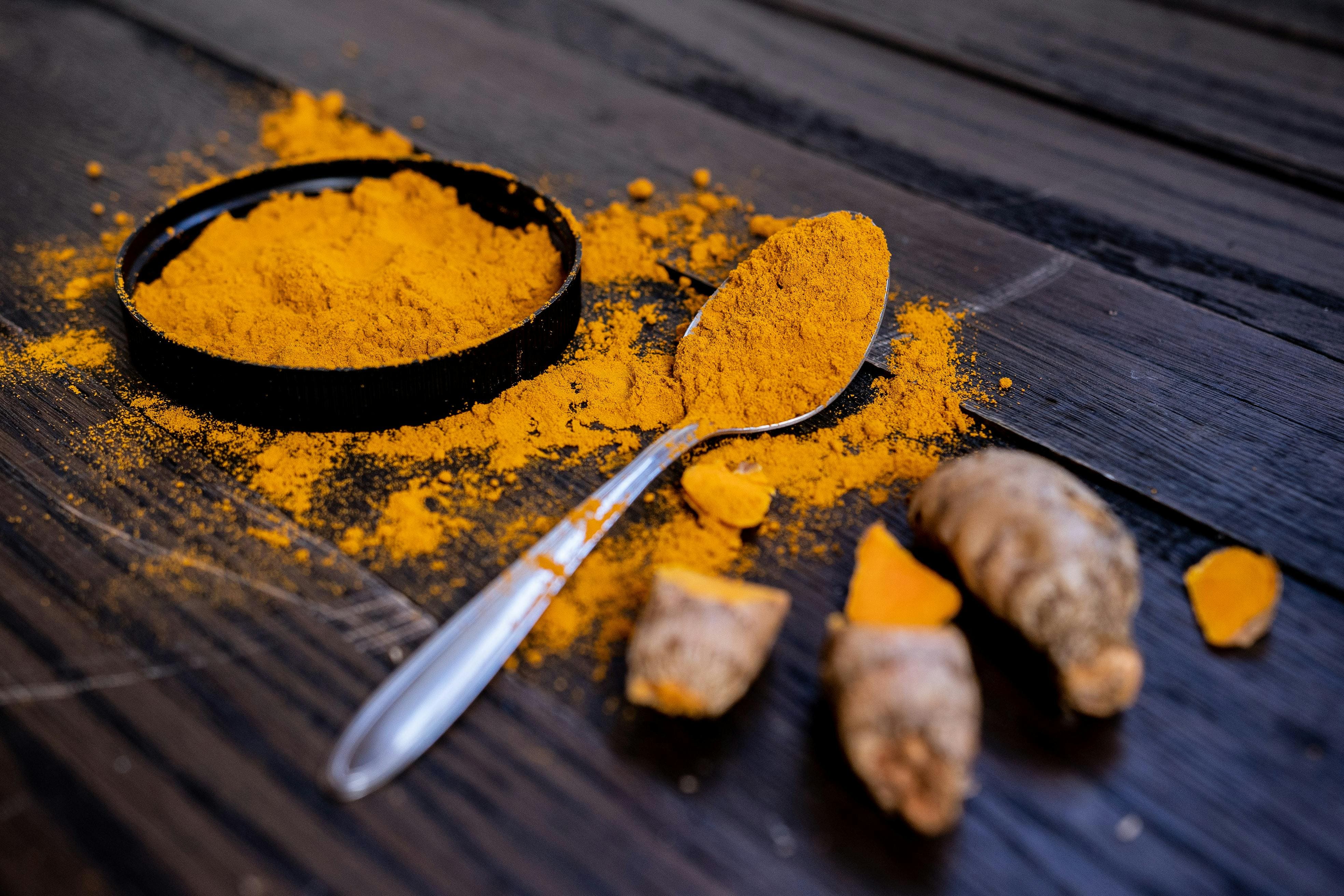
India — The World's Turmeric Powerhouse
India is the world's largest producer, consumer and exporter of turmeric — accounting for over 75% of global production and approximately 60% of global exports by volume. Major growing states include Tamil Nadu (Erode, Salem), Telangana (Nizamabad), Andhra Pradesh, Maharashtra, Odisha, Karnataka and Meghalaya — each producing turmeric with distinct curcumin profiles, colour values and flavour characteristics suited to different end applications.
India exported approximately USD 210 million worth of turmeric in FY 2024–25, with the United States, United Arab Emirates, Bangladesh, Japan, United Kingdom and Germany as primary destination markets. The global turmeric market is projected to grow at a CAGR of 6.5% through 2030, driven by rising demand in nutraceuticals, pharmaceuticals, functional foods and natural cosmetics.
Two harvest seasons give India a consistent year-round supply advantage. The primary harvest runs January to March and the secondary September to November. This dual-season structure means Indian turmeric can be sourced fresh rather than from old stock for most of the year — a significant quality advantage over single-harvest origins.
Variety Comparison — Erode, Salem, Nizamabad and Lakadong
India supplies four commercially significant turmeric varieties for export. Each has a distinct curcumin range, ASTA colour value and preferred end application. Selecting the wrong variety leads to either over-specification or failing quality tests at destination.
Curcumin content is verified by HPLC method — the only internationally accepted standard for accurate curcumin quantification. UV spectrophotometry inflates curcumin readings versus HPLC by 20–40%. Always specify HPLC when requesting a COA. ASTA colour value is measured per ASTA Method 20.1 and is critical for food manufacturers using turmeric as a natural colouring agent.
Curcumin — What Buyers Need to Know
Curcumin is the primary bioactive compound in turmeric — responsible for its deep yellow colour, anti-inflammatory properties and pharmaceutical applications. For nutraceutical and pharmaceutical buyers, curcumin content is the most important purchasing specification. For food industry buyers, ASTA colour value determines the visual impact of turmeric in the finished product.
The global nutraceutical industry's demand for high-curcumin turmeric has accelerated significantly since 2020. Clinical research on curcumin's anti-inflammatory, antioxidant and neuroprotective properties — published in peer-reviewed journals including the Journal of Medicinal Food and Nutrients — has driven consumer awareness and ingredient demand across the USA, Germany and Japan.
Zenvico Global supplies all five grades with batch-specific HPLC COA from an NABL-accredited laboratory. Curcumin content is not estimated — it is tested and documented per shipment. Organic certified turmeric carries USDA NOP (for USA) or EU Organic compliance certificates with a transaction certificate per shipment.
Quality Parameters — What Your COA Must Show
A credible turmeric COA from India must cover all of the following parameters. If a supplier's COA omits heavy metals or pesticide residue — do not accept the shipment. Lead contamination is a documented issue in Indian turmeric — some suppliers add lead chromate as a colour enhancer. Always require ICP-MS heavy metal testing, not just a declaration, from an NABL-accredited laboratory.
Export Markets & Specific Requirements
Each major import market has specific quality thresholds and documentation requirements. Meeting these requirements precisely is the difference between a smooth clearance and a detention or rejection at port:
- United States — FDA facility registration required. Lead max 2 ppm. Pesticide MRL per 40 CFR Part 180. FSVP (Foreign Supplier Verification Program) compliance mandatory since 2024. Salmonella zero tolerance in all spice shipments. USDA NOP certification for organic grade.
- European Union — Cadmium max 0.1 ppm (stricter than USA). ETO (ethylene oxide) fumigation banned — phosphine only. Spices Board OSCS certificate mandatory for all Indian spice shipments to EU. Pesticide MRL per Regulation EC 396/2005. NPOP or NOP for organic.
- Middle East & Gulf (UAE, Saudi Arabia, Qatar) — One of the highest volume destinations by tonnage. Turmeric finger preferred over powder by local spice processors. GCC food safety standards apply. High ASTA colour demanded by retail buyers. No Halal certification required for turmeric (it is a plant product), but Halal-certified processing facilities preferred by some buyers.
- Japan — Japan's positive list system applies since 2006: any pesticide not on the approved list defaults to an MRL of 0.01 ppm. Japan Food Sanitation Act compliance is essential. High-curcumin Nizamabad and Lakadong varieties are preferred for Japan's supplement market. Full pesticide screen is mandatory.
- United Kingdom — Post-Brexit MRLs maintained at EU equivalent levels. Spices Board OSCS certificate accepted. Growing demand for high-curcumin and organic turmeric in the UK wellness market. UK Food Standards Agency guidance applies.
- Bangladesh & South Asia — The highest volume destination by tonnage. Erode and Salem grades dominate. Turmeric finger is dominant over powder. Price-sensitive market. Less stringent testing requirements than Western markets. No Spices Board OSCS required.
Certifications and Documentation — Fully Covered
At Zenvico Global, every turmeric shipment is accompanied by complete, batch-specific documentation meeting the requirements of all major global markets. Our standard documentation package includes:
- Certificate of Analysis (COA) — Batch-specific, from NABL-accredited laboratory. Covers curcumin content by HPLC, ASTA colour, moisture, ash, heavy metals (Pb, Cd, As, Hg by ICP-MS), pesticide residue screen (GC-MS/LC-MS) and microbiology (Salmonella, E. coli, TPC, yeast and mould)
- Spices Board of India OSCS Certificate — Mandatory for EU shipments. Confirms pesticide compliance per EC 396/2005. Issued after testing at Spices Board approved laboratory
- FSSAI Certificate — Food Safety and Standards Authority of India processing facility certification
- Phytosanitary Certificate — Plant Quarantine Authority of India. Required for all export destinations
- Certificate of Origin — Required for all destinations. Applicable for preferential tariff rates under India's trade agreements
- Organic Certificate (NPOP / NOP) — Available on request for certified organic lots. Transaction certificate provided per shipment
- Commercial Invoice, Packing List and Bill of Lading — Full original document set provided within 24 hours of BL date
Commercial Terms at a Glance
Get a Quote for Indian Turmeric
All varieties. Curcumin 2–12%. Organic certified available. HPLC COA and Spices Board OSCS with every shipment. FOB or CIF pricing within 24 hours.
Related Spice & Agricultural Products from India
Turmeric is one of over 27 agricultural products we export from India. Browse related products — all with complete documentation and NABL lab COA:
- Turmeric — Finger & Powder — Erode, Salem, Nizamabad, Lakadong · Curcumin 2–12% by HPLC
- Dried Chilli — Teja & Byadagi — ASTA 100+, EU MRL compliant, Guntur origin
- Cumin Seeds — Unjha Quality — EQ grade, EU MRL, Spices Board OSCS
- Coriander Seeds & Powder — 99% purity, Rajasthan origin, EU MRL compliant
- Fenugreek Seeds — 99% purity, EU MRL compliant, OSCS cert
- Moringa Powder — food grade, supplement, organic · NABL COA · MOQ 100 kg
- Dehydrated Onion — Flakes & Powder — FSSC 22000, EU pesticide screen
- Dehydrated Garlic — Flakes & Powder — high allicin, FSSC 22000
- Dehydrated Tomato Powder — spray-dried, lycopene-rich, FSSC 22000
- Groundnuts (Peanuts) — Bold 50/60, Java 60/70, aflatoxin tested EU food grade
- White Sesame Seeds — 99.95% purity, Salmonella tested, Halal certified
- Basmati Rice — 1121 Extra Long — APEDA, GI Protected, Phyto
- Toor Dal (Split Pigeon Peas) — FSSAI, EU pesticide screen, Phyto