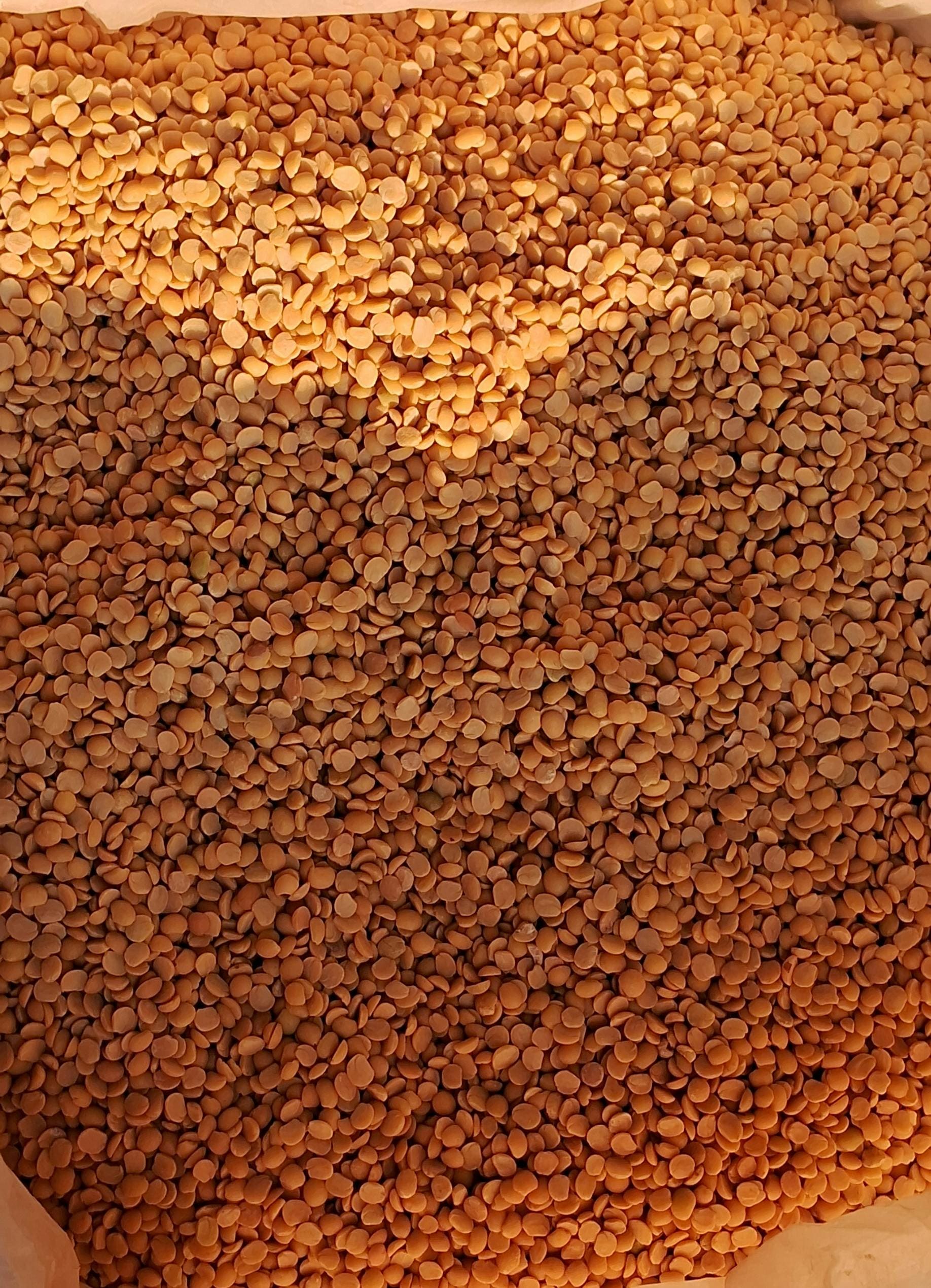
Polished or Unpolished — The Decision That Matters
Toor dal is sold polished or unpolished, and the difference is not cosmetic. Polishing uses oil or water to brighten the grain; unpolished retains the natural matt surface. Health-conscious and organic buyers increasingly specify unpolished.
If your market has clean-label positioning, specify unpolished and state it on the contract — polished is normally the default and you will receive it unless you say otherwise.
Typical Specifications
On specifications: the figures above reflect standard industry specifications for this product. Your actual batch values are confirmed on a NABL-accredited Certificate of Analysis issued against your specific lot — provided with every shipment, and with sample orders before you commit to bulk. We do not ask buyers to take a specification on trust.
Infestation — The Risk Buyers Underestimate
Pulses are the commodity most vulnerable to storage pest damage in transit. A consignment that passes inspection at load port can arrive weevilled if fumigation and packing were inadequate. This is the most common quality dispute in pulse trade.
We issue a fumigation certificate with every pulse shipment and can arrange third-party pre-shipment inspection where the buyer requires independent verification.
Documentation — Handled End to End
We prepare the full document set and hand over originals within 24 hours of the Bill of Lading date.
HS Code 0713.60. Halal and Organic available on request.
How Ordering Works
MOQ is discussed at order stage. Packing from 1kg retail to 50kg bulk. Payment by advance TT, LC at sight, or DP/DA case by case.
Buyer Questions
What is the difference between polished and unpolished toor dal?
Polishing brightens the grain using oil or water and is the market default, favoured in traditional retail. Unpolished dal retains a natural matt surface with no polishing agent applied, and is increasingly specified by organic, health and clean-label brands. If you need unpolished, state it explicitly in the contract, because polished is what you will receive by default.
Why is fumigation so important for pulses?
Pulses are the commodity most vulnerable to storage pest damage in transit. A lot can pass inspection at load port and still arrive weevilled if fumigation or packing were inadequate, and this is the single most common cause of quality disputes in pulse trade. We issue a fumigation certificate before container stuffing on every shipment.
What moisture level should toor dal be shipped at?
Standard industry specification is a maximum of 12 to 14 percent. Moisture above that range significantly raises the risk of mould and pest activity during transit, particularly on longer routes and through humid transhipment ports. Your actual batch figure is confirmed on the NABL Certificate of Analysis.
What HS code applies to toor dal?
Toor dal, also known as pigeon peas or arhar dal, is exported from India under HS Code 0713.60, covering dried pigeon peas whether or not shelled or split. We declare the correct code on all shipping documents.
Can third-party inspection be arranged?
Yes. Pre-shipment inspection by SGS, Bureau Veritas or Intertek is available on request, covering sampling, purity verification, moisture, packing condition and container inspection. This is worth doing on first transactions and on any route with a long transit time.
Can I get a sample with a COA before bulk?
Yes. Sample orders carry the same NABL-accredited Certificate of Analysis standard as bulk shipments, so you can verify purity, moisture, damage percentage and pesticide results before committing.
Source Toor Dal (Pigeon Peas) Export from India from India
FOB or CIF quote within 24 hours. Full documentation, third-party inspection available.
Related Products
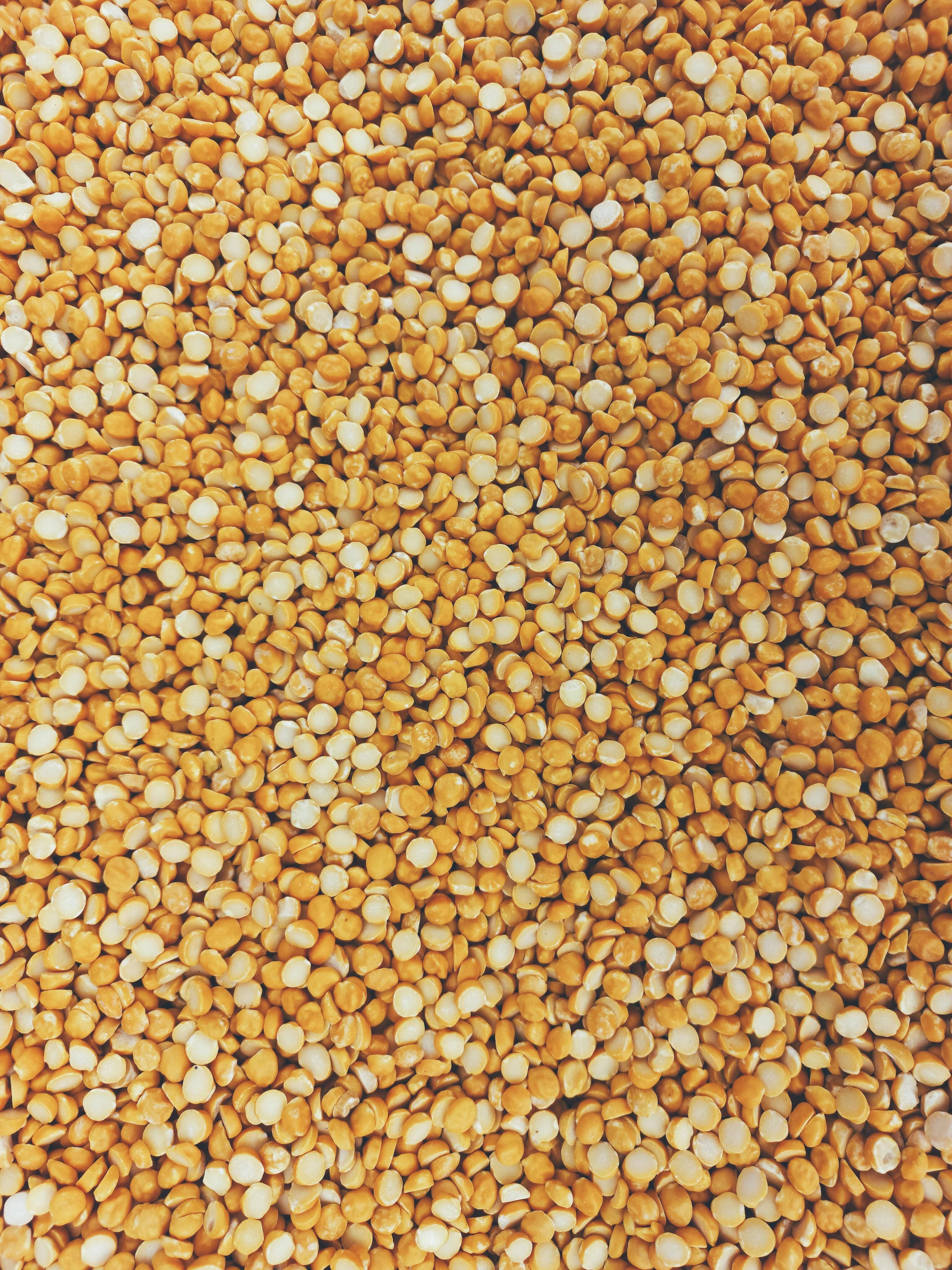
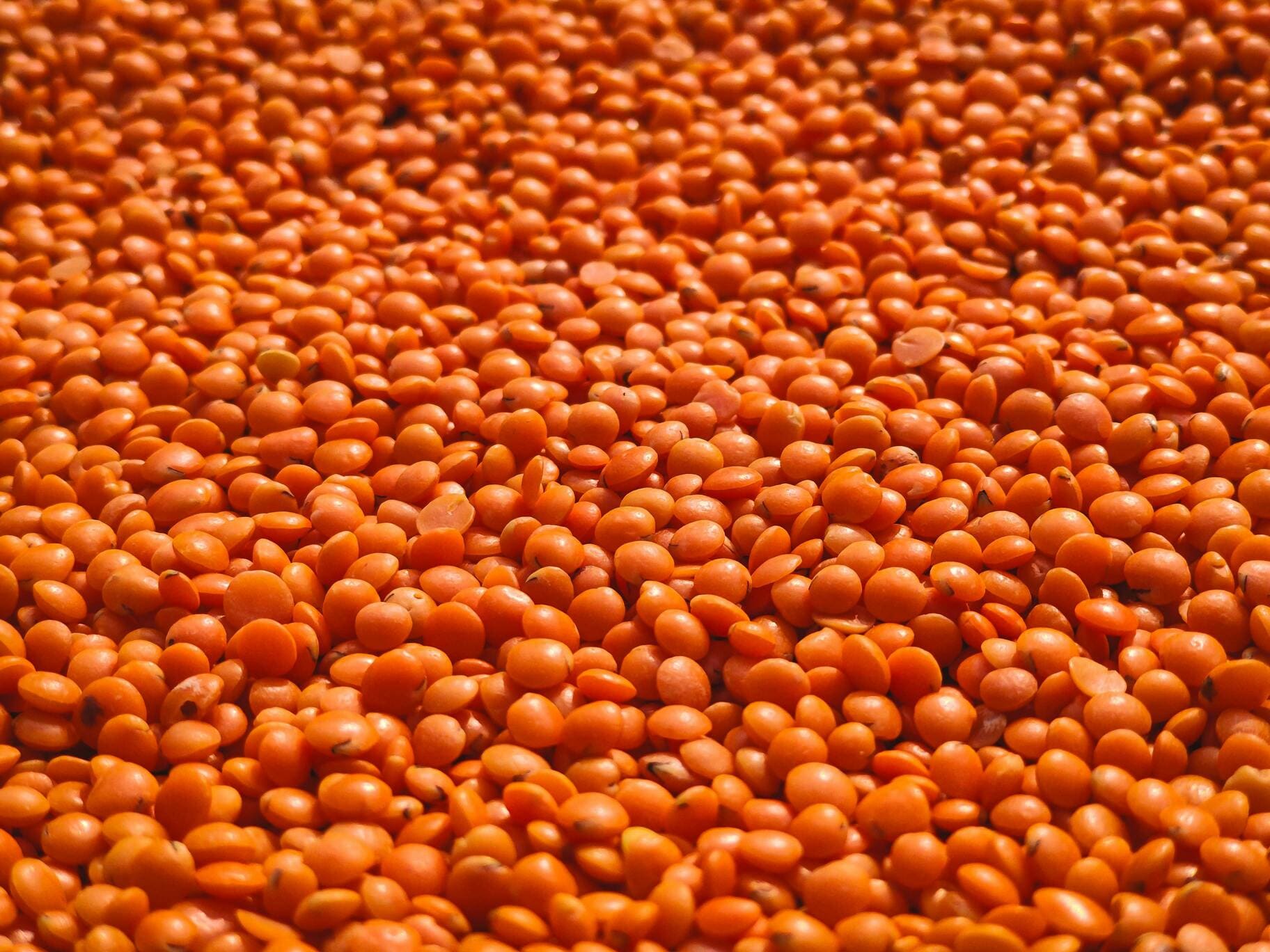
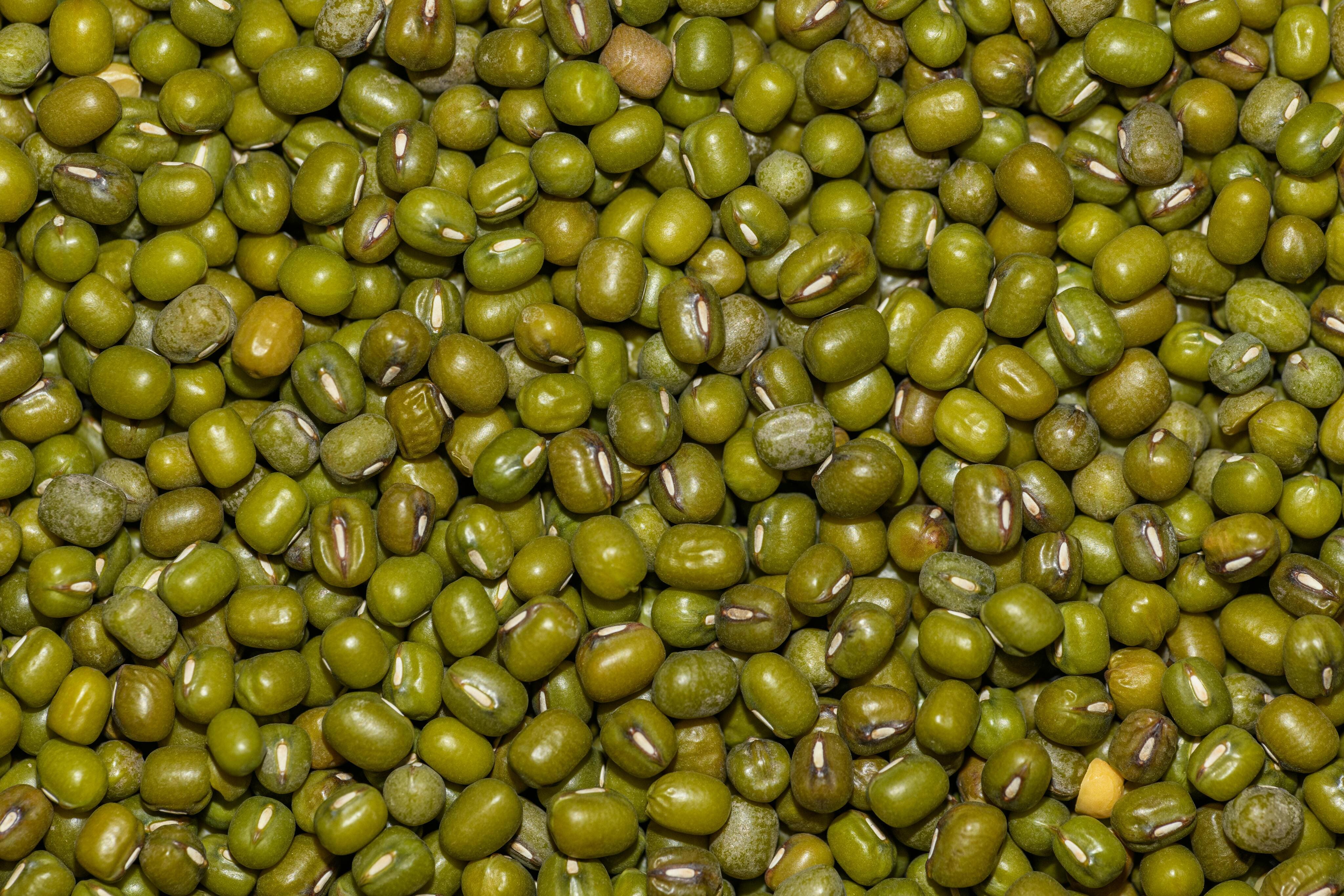
FOB or CIF pricing, full documentation, samples available.
Request Quote → 💬 WhatsApp +91-9066444896Export Ready