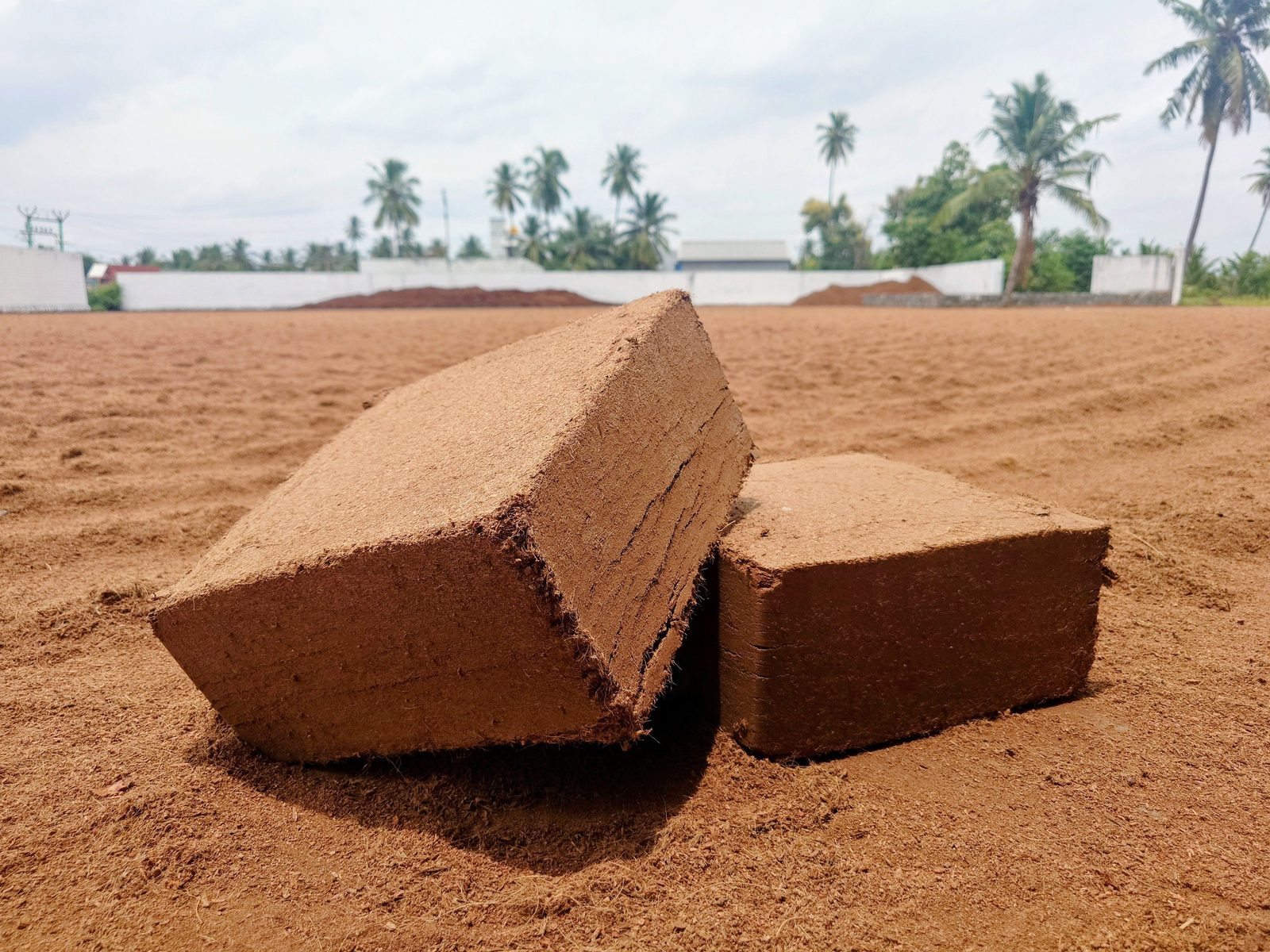
EC and Washing — The Only Thing That Really Matters
Raw coconut coir is high in sodium and potassium, which is why unwashed coco peat kills sensitive crops. Electrical conductivity (EC) measures that salt load. It is the first and most important figure on any coco peat specification, and the one dishonest suppliers are vaguest about.
For hydroponics and propagation, insist on EC below 1.0 mS/cm with a lot-matched test result. An EC figure quoted as "washed" without a number is not a specification. Sodium content should also be stated separately, since EC alone does not distinguish sodium from beneficial potassium.
Buffered or Unbuffered — A Separate Question
Washing removes salts. Buffering is different: it pre-loads the coir with calcium to occupy cation exchange sites, so the medium does not strip calcium and magnesium out of your nutrient solution. Growers running precise feed programmes need buffered material.
These are two different processes and a supplier quoting "washed and ready to use" may mean neither. If you run a controlled nutrient programme, specify buffered explicitly.
Typical Specifications
On specifications: the figures above reflect standard industry specifications for this product. Your actual batch values are confirmed on a NABL-accredited Certificate of Analysis issued against your specific lot — provided with every shipment, and with sample orders before you commit to bulk. We do not ask buyers to take a specification on trust.
Documentation — Handled End to End
Growing media faces plant health scrutiny in most import markets. We prepare the full document set and hand over originals within 24 hours of the Bill of Lading date.
HS Code 5305.00. Many markets require specific plant health treatment for growing media — confirm your local requirement at enquiry stage.
How Ordering Works
MOQ is discussed at order stage. Blocks, briquettes and loose fill available. Payment by advance TT, LC at sight, or DP/DA case by case.
Buyer Questions
What EC should coco peat have for hydroponics?
Below 1.0 mS/cm measured on a 1:1.5 water extract. Raw coconut coir is naturally high in sodium and potassium, and unwashed material at EC above 2.5 will damage sensitive crops. Insist on a lot-matched EC result rather than accepting the word "washed", which on its own is not a specification.
What is the difference between washed and buffered coco peat?
Washing removes sodium and excess potassium to bring EC down. Buffering is a separate process that pre-loads calcium onto the coir cation exchange sites, so the medium does not strip calcium and magnesium out of your nutrient solution. A supplier quoting "washed and ready to use" may mean neither. If you run a controlled feed programme, specify buffered explicitly.
Why does sodium content matter separately from EC?
EC measures total dissolved salts and does not distinguish sodium, which is harmful to plants, from potassium, which is a nutrient. Two lots can show the same EC with very different sodium levels. For sensitive crops, ask for sodium reported separately on the Certificate of Analysis rather than relying on EC alone.
How much does a coco peat block expand?
A 5 kg block at 5:1 compression typically expands to approximately 15 litres of usable growing medium on water addition. Expansion depends on compression ratio and on how thoroughly the block is hydrated, so factor a margin into volume planning rather than working to the nominal figure exactly.
What HS code applies to coco peat?
Coconut coir and coir-based growing media are exported from India under HS Code 5305.00, covering coconut and other vegetable textile fibres. Many destination markets apply specific plant health requirements to growing media, so confirm your local rule at enquiry stage.
Can I get a sample with a COA before bulk?
Yes. Sample orders carry the same Certificate of Analysis standard as bulk shipments, covering EC, pH, sodium and moisture, so you can test the material in your own system before committing.
Source Coco Peat from India
Get a competitive FOB or CIF quote within 24 hours. Full documentation, third-party inspection available.
Related Products

FOB or CIF pricing, full documentation, samples available.
Request Quote → WhatsApp +91-9066444896Export Ready