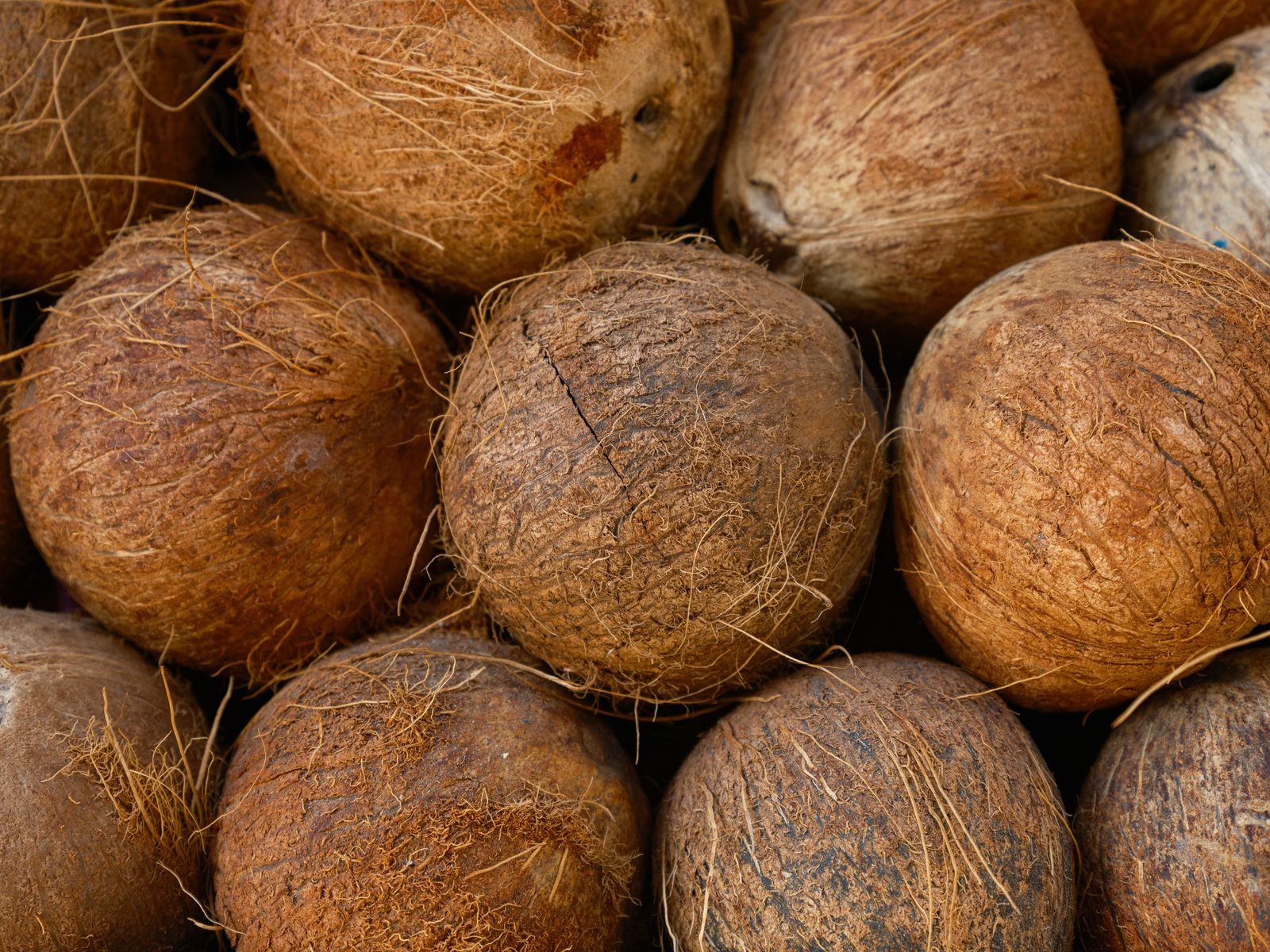
Why Discs Instead of Loose Peat
A coir disc is compressed coco peat in a pre-measured puck. Add water and it expands to fill a propagation cell exactly. For anyone running propagation at volume, the case is entirely about labour and consistency, not about the medium being different.
The trade-off is cost per litre against labour per tray. At propagation volumes the labour saving usually wins; for bulk potting of larger containers, loose peat is more economical.
Sizing to Your Trays
A disc only saves labour if it matches your cell. Diameter and expanded height both matter, and the wrong size either leaves gaps or overfills and spills.
Send your tray cell dimensions at enquiry stage rather than ordering a nominal size. Expansion varies with compression ratio and how thoroughly the disc is hydrated, so matching is best done against your actual trays.
Typical Specifications
The same EC and washing questions apply as for loose coco peat — the disc is a format, not a different material.
On specifications: the figures above reflect standard industry specifications for this product. Your actual batch values are confirmed on a NABL-accredited Certificate of Analysis issued against your specific lot — provided with every shipment, and with sample orders before you commit to bulk. We do not ask buyers to take a specification on trust.
Documentation — Handled End to End
Growing media faces plant health scrutiny in most import markets. We prepare the full document set and hand over originals within 24 hours of the Bill of Lading date.
HS Code 5305.00. Many markets apply specific plant health rules to growing media — confirm your local requirement at enquiry stage.
How Ordering Works
MOQ is discussed at order stage. Netted and unnetted, buffered on request. Payment by advance TT, LC at sight, or DP/DA case by case.
Buyer Questions
What is a coir disc and why use one?
A coir disc is compressed coco peat in a pre-measured puck that expands to fill a propagation cell when watered. The case for using them is labour and consistency rather than the medium itself: you drop one in each cell and water, instead of filling, levelling and compacting by hand. At propagation volume the labour saving usually outweighs the higher cost per litre.
What disc size should I order?
Match it to your tray cell rather than ordering a nominal size. Common diameters are 30mm for small plug trays, 35mm for standard plugs, 40mm for larger plugs and cuttings, and 50mm for larger propagation cells. Expansion varies with compression and hydration, so send your actual cell dimensions at enquiry stage.
Do coir discs need the same EC checks as loose coco peat?
Yes. A disc is a format, not a different material. Raw unwashed coir carries the same sodium and potassium load whether compressed into a disc or supplied loose. Insist on EC below 1.0 mS/cm with a lot-matched result, and ask for sodium reported separately on the Certificate of Analysis.
Are netted discs better than unnetted?
Netting holds the expanded disc together, which helps when plugs are handled or transplanted while the root system is still developing. Unnetted discs are cheaper and fine where the plug stays undisturbed until the roots bind the medium. Some markets restrict certain netting materials, so confirm your local requirement.
Can discs be supplied buffered?
Yes, on request. Buffering pre-loads calcium onto the coir exchange sites so the medium does not strip calcium and magnesium from your feed solution. Washed and buffered are separate processes, so specify buffered explicitly if you run a controlled nutrient programme.
Can I get samples before a bulk order?
Yes. Sample discs are supplied with the same Certificate of Analysis standard as bulk, so you can hydrate them in your own trays, confirm the fit and verify EC, pH and sodium before committing to a container.
Source Coco Discs from India
Get a competitive FOB or CIF quote within 24 hours. Full documentation, third-party inspection available.
Related Products
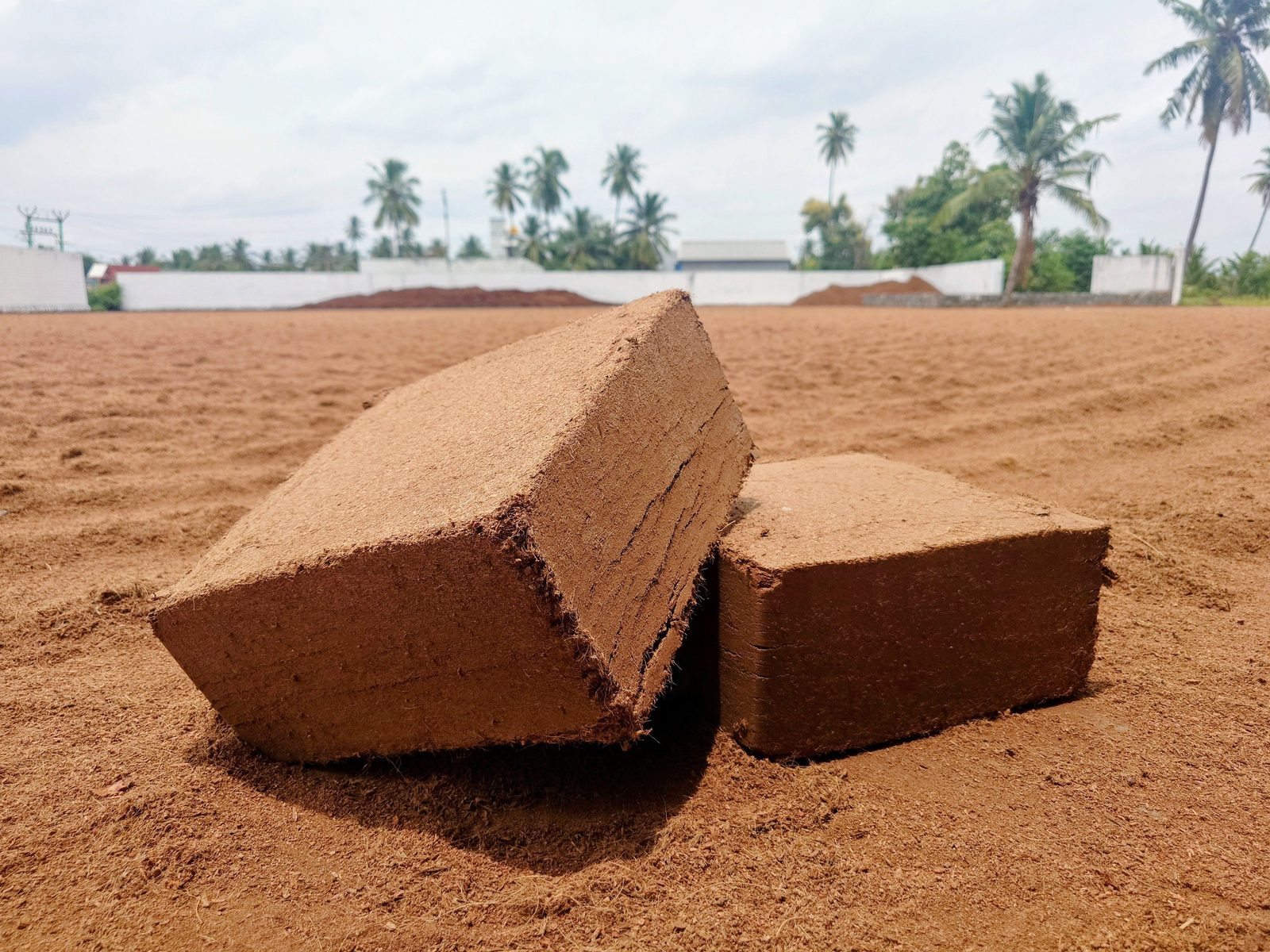
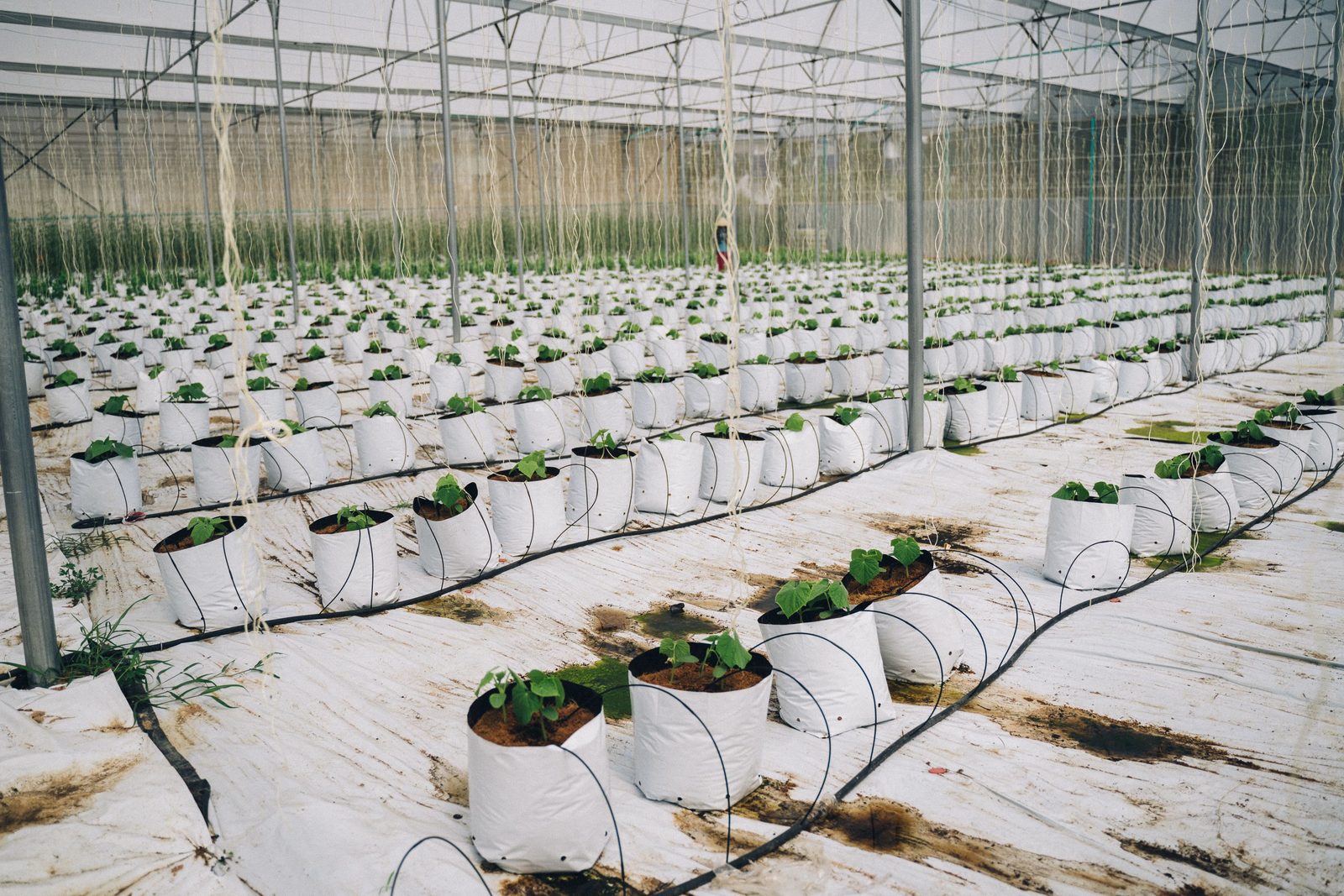
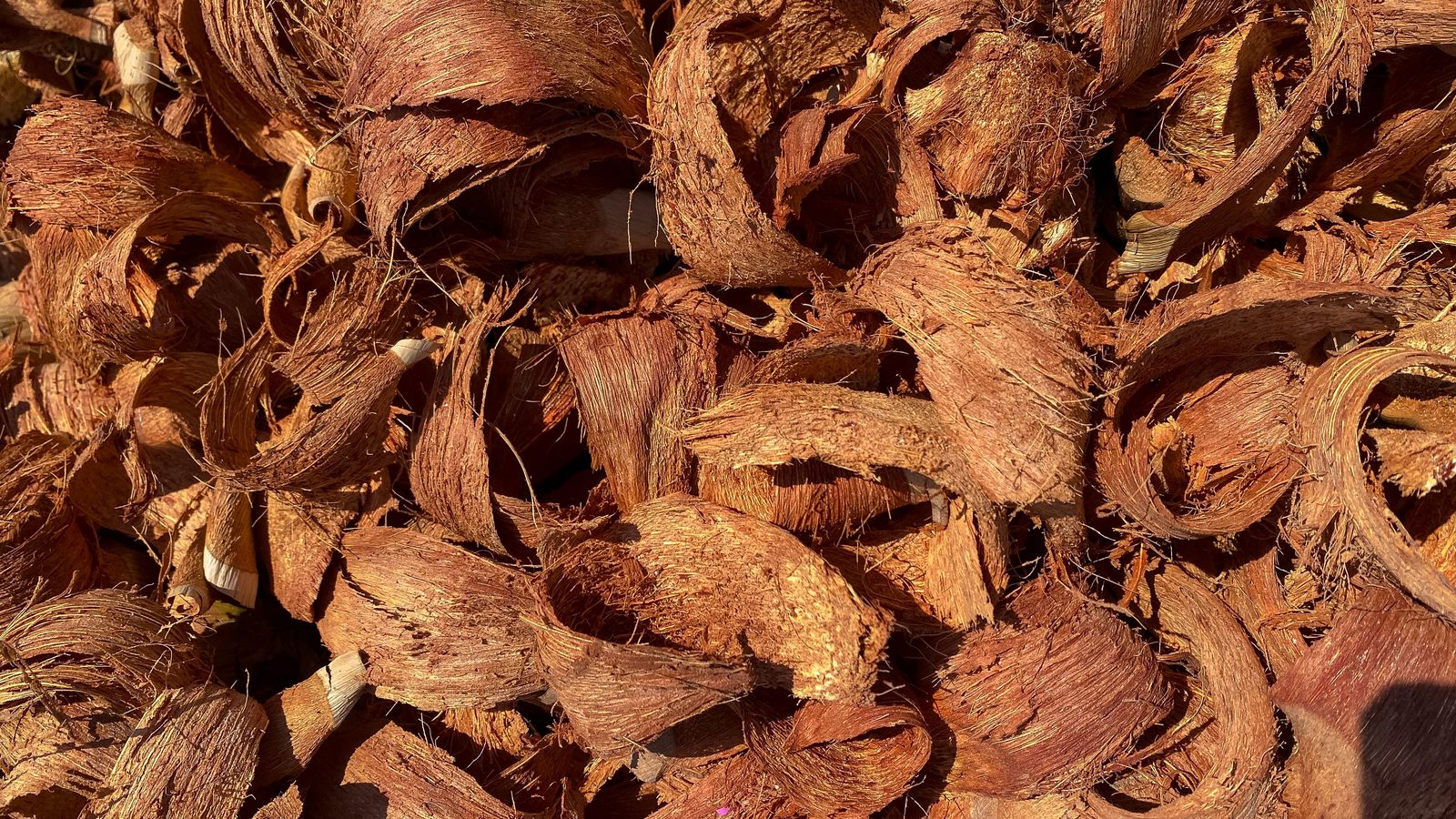
FOB or CIF pricing, full documentation, samples available.
Request Quote → WhatsApp +91-9066444896Export Ready