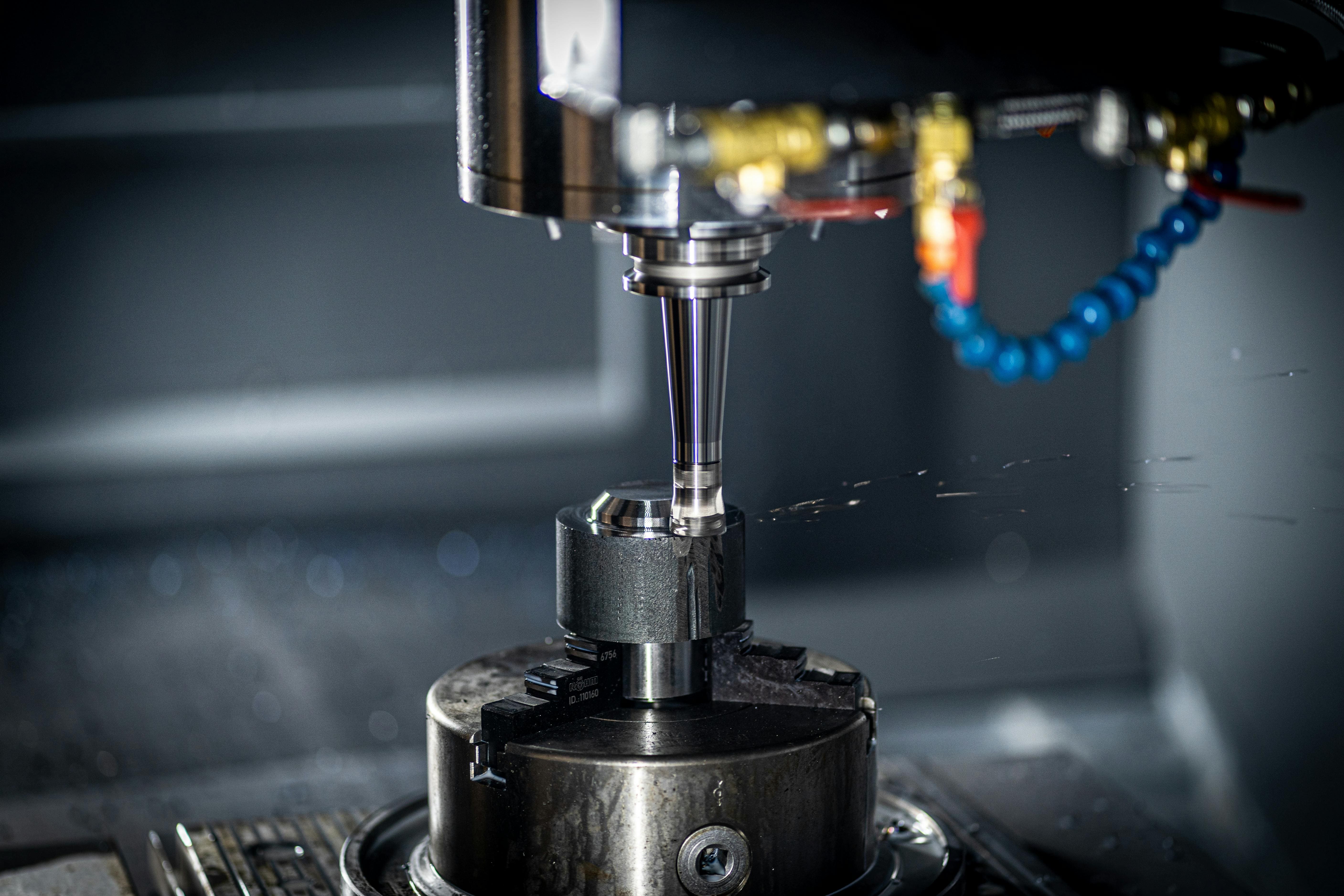
Why Turn-Mill Reduces Cost and Improves Quality
Traditional manufacturing of complex components requires separate turning and milling operations — each with its own setup, fixturing and handling time. Repositioning the component between operations introduces positional errors that compound with each setup.
Turn-mill centres eliminate this by combining both operations in a single machine and setup. The component is turned, bored, threaded and milled in one continuous process. Benefits include: zero repositioning errors, 40-60% reduction in lead time, 30-50% reduction in fixturing and setup cost, and significantly reduced work-in-progress inventory.
Turn-mill centres eliminate this by combining both operations in a single machine and setup. The component is turned, bored, threaded and milled in one continuous process. Benefits include: zero repositioning errors, 40-60% reduction in lead time, 30-50% reduction in fixturing and setup cost, and significantly reduced work-in-progress inventory.
Typical Turn-Mill Applications
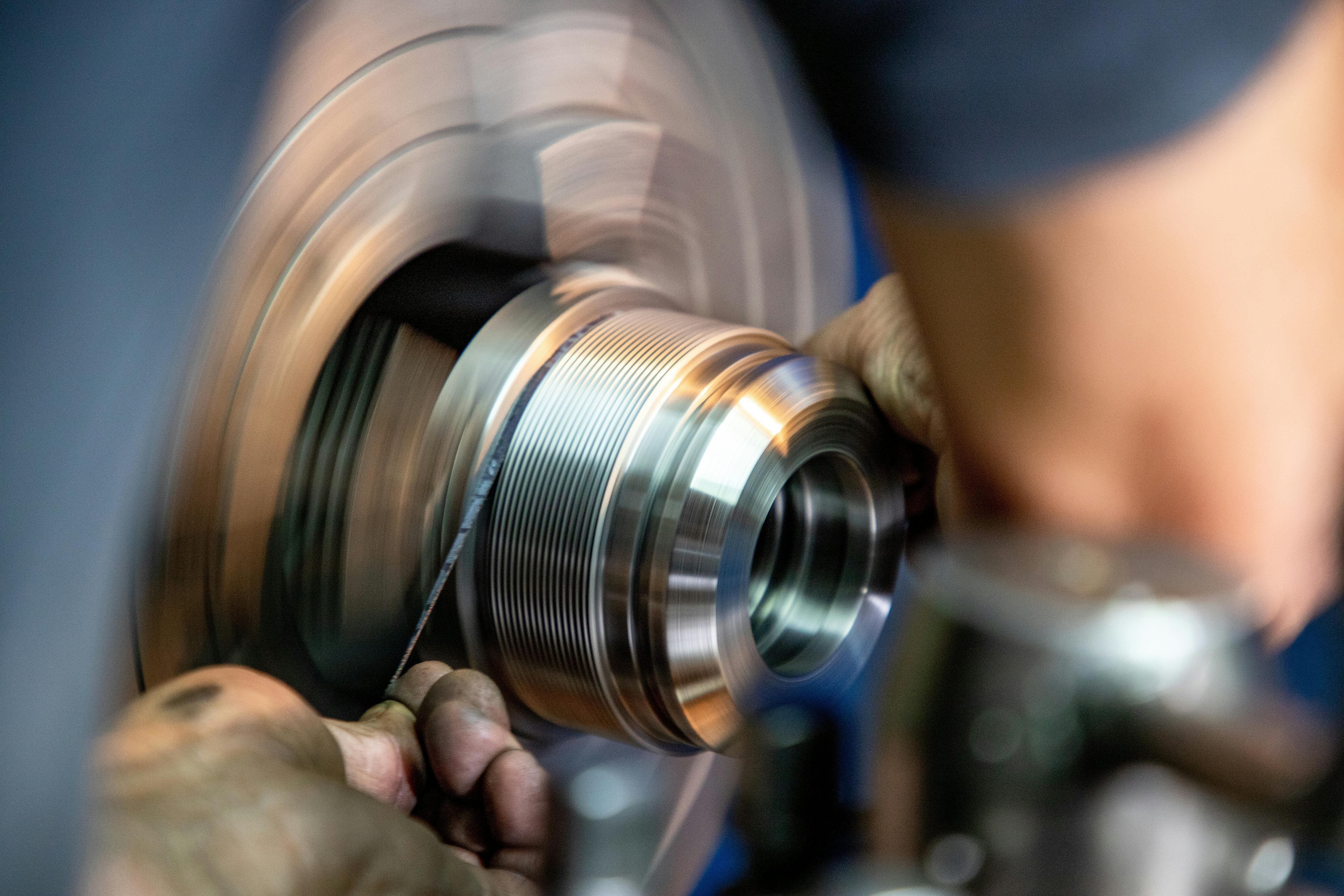
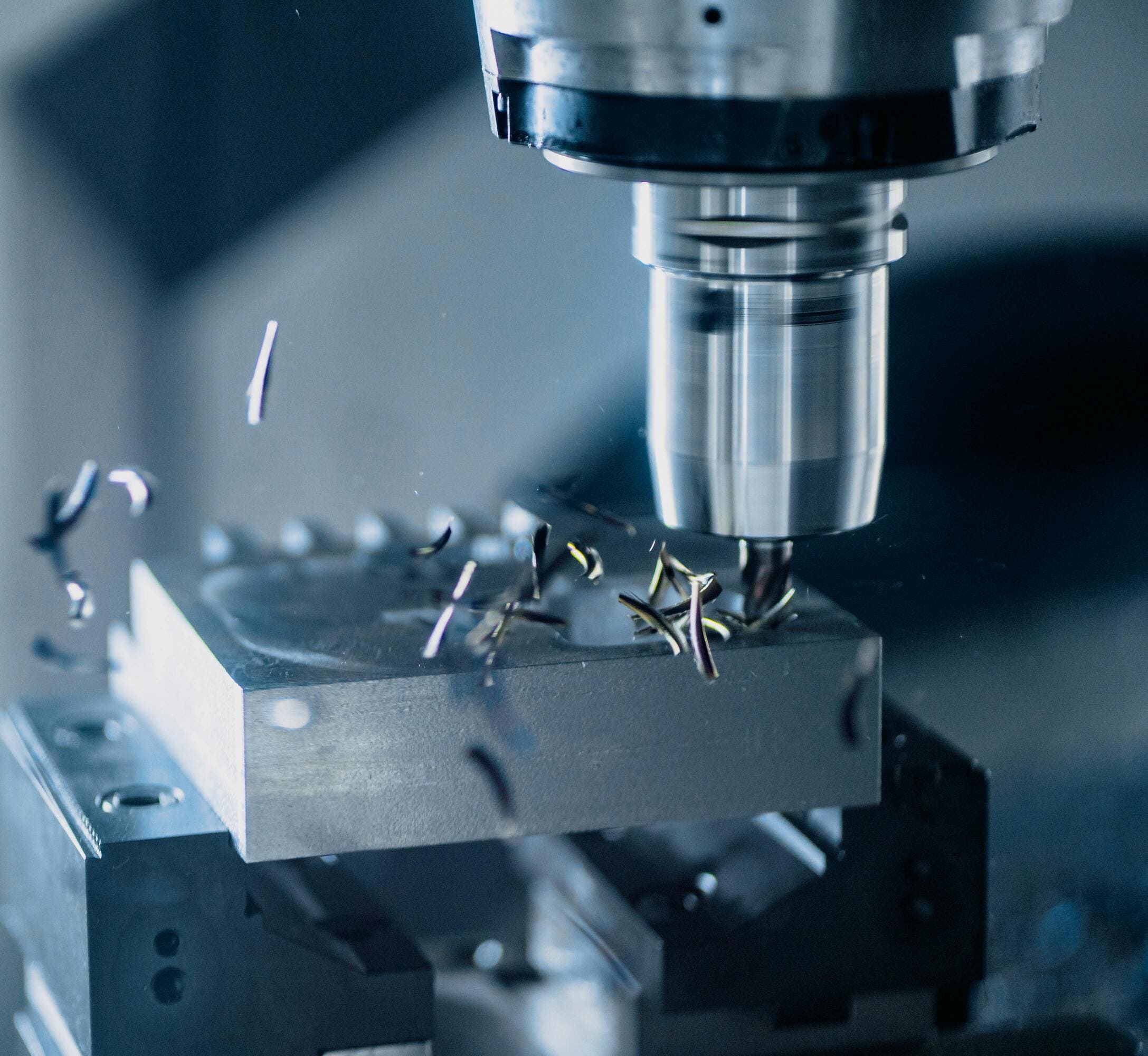
Complex shafts with milled flats, keyways and cross-holes. Valve bodies requiring bored ports and milled faces. Hydraulic manifolds. Flanged components with precision bores and bolt circle patterns. Medical device components requiring complex profiles. Aerospace structural fittings requiring multiple operations. Pump impeller shafts.
Single-Piece Flow and Traceability
Indian turn-mill facilities operate single-piece flow production with full component traceability. Each component carries a unique identifier traceable back to the material heat certificate, operator, machine and inspection records. This traceability is a standard requirement for automotive PPAP and aerospace AS9100D certification.
Documentation
Inspection Report (CMM), Material Test Certificate, PPAP Level 3 (automotive), AS9100D records (aerospace), First Article Inspection Report, Certificate of Origin, VCI packaging for corrosion protection.
Ready to Source?
Get a Quote for Turn-Mill Components Export from India
Technical drawings welcome. FOB or CIF pricing within 24 hours. Third-party inspection available.
Related Products
Get a Quote in 24 Hours
Technical drawings welcome. FOB or CIF pricing, samples available.
Request Quote → 💬 WhatsApp +91-9066444896Certifications
IATF 16949 ISO 9001 PPAP Level 3 CMM Inspected Material Traceability RoHS Compliant
HS Code
8466.93
India Origin
Export Ready
Export Ready