Precision CNC turned components from 1mm to 400mm diameter, held to ±0.005mm where the part needs it. Full dimensional inspection report on every first article before series production begins.
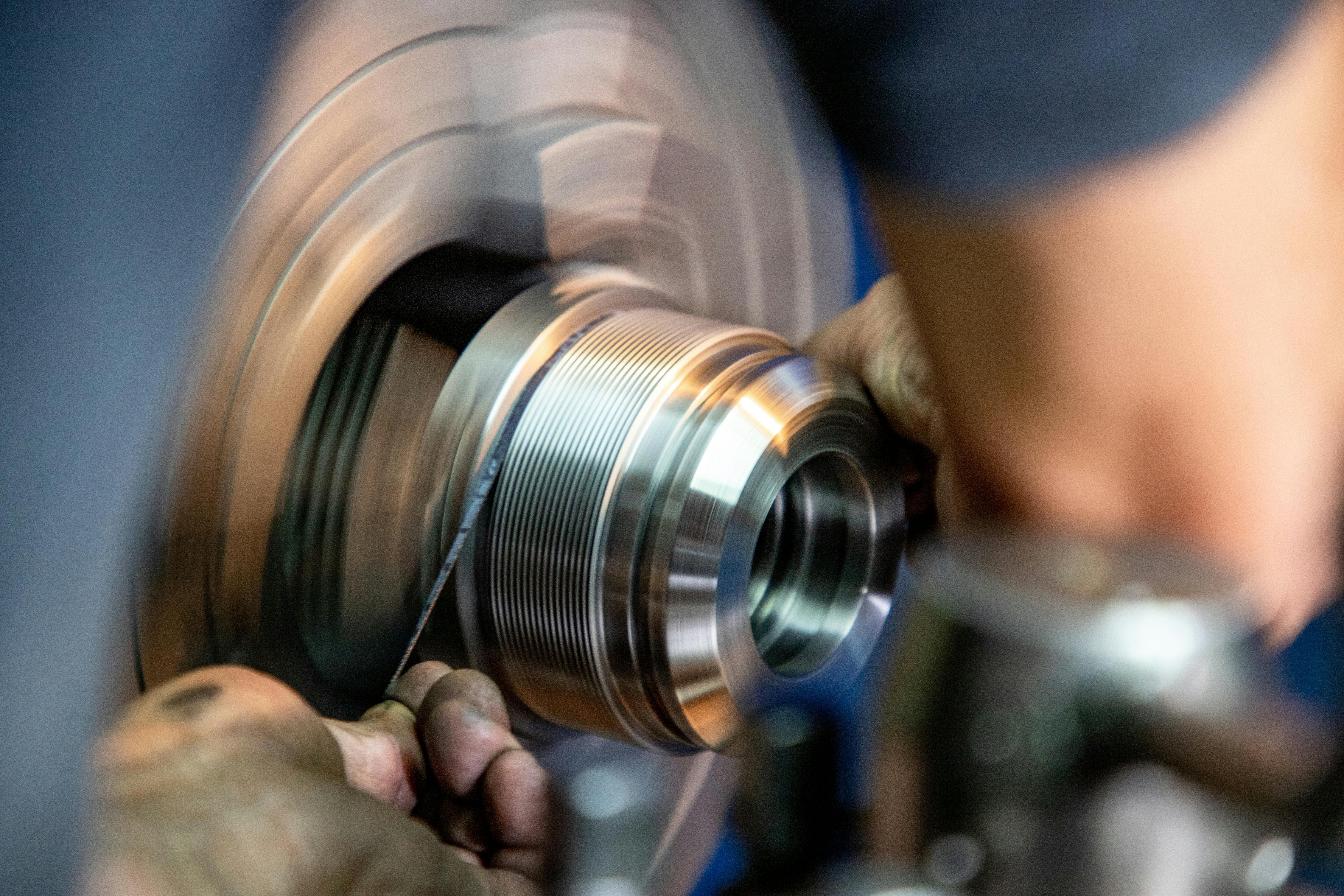
Turning rotates the workpiece against a stationary tool, so it produces anything with rotational symmetry: shafts, pins, bushings, fittings, threaded parts. If your part is mostly round, turning is almost always cheaper than milling it.
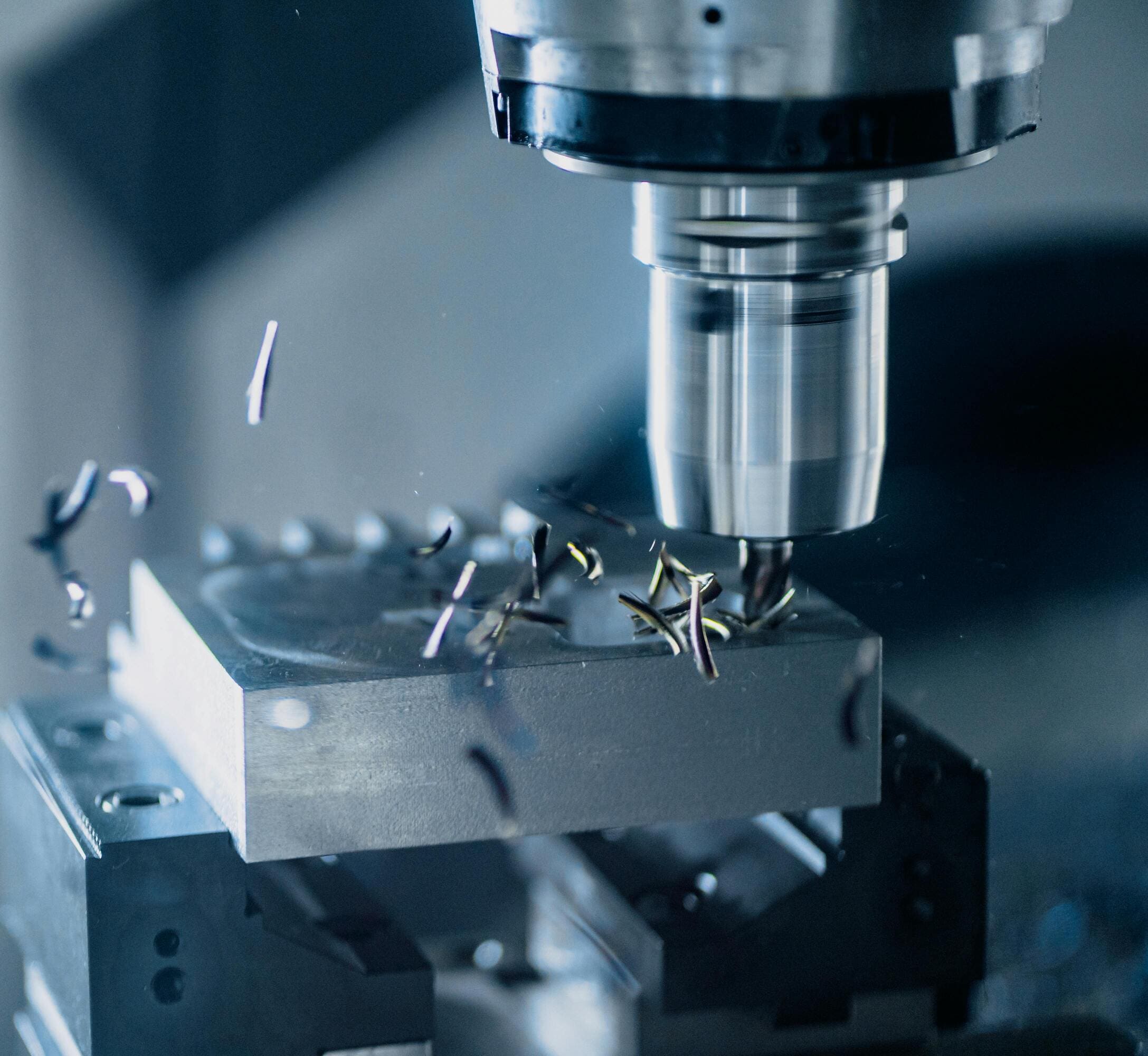
Send the drawing and we will recommend the process. Specifying milling for a part that should be turned, or turning plus a second milling operation for a part that suits turn-mill, is the most common source of avoidable cost.
Every step tighter in tolerance adds machining time, inspection time and scrap risk. Tolerancing a whole part to the tightest feature it needs is one of the most expensive habits in machined-parts buying.
Apply tight tolerances only to the features that mate or seal. Leaving non-functional dimensions at a general tolerance such as ISO 2768-m can cut part cost substantially with no loss of function.
On specifications: the capabilities above reflect standard specifications for this process. Achievable tolerances and finishes for your part depend on geometry, material and quantity, and are confirmed at quotation after drawing review. Every first article ships with a full dimensional inspection report against your drawing, plus Material Test Certificates for the raw material. We do not ask buyers to take a capability claim on trust.
Every first article is measured against your drawing before series production begins.
HS Code depends on material and application — typically 7326.90 (steel), 7616.99 (aluminium), 7419.99 (brass), or 8483 for transmission parts.
MOQ is discussed at order stage based on part complexity and material. Payment by advance TT, LC at sight, or DP/DA case by case.
When the part is mostly round, with concentric features such as diameters, grooves, tapers and threads. Turning rotates the workpiece against a stationary tool, which makes it faster and cheaper than milling for rotational parts. If the part also has flats, cross-holes or slots, turn-mill completes it in one setup.
Standard work holds plus or minus 0.05mm, precision work 0.01 to 0.02mm, and high-precision turning plus or minus 0.005mm. Ground finishing reaches 0.002 to 0.005mm. Apply tight tolerances only to features that mate or seal, since tolerancing the whole part to its tightest feature adds cost with no functional benefit.
Carbon and alloy steels such as EN8, EN24 and 4140, stainless grades 303, 304, 316 and 17-4PH, brass, aluminium and copper, exotic alloys including titanium Grade 5 and Inconel, and engineering plastics such as PEEK and Delrin. Material choice affects cycle time and tool wear, so it drives price as much as geometry does.
Every first article is measured against your drawing using CMM, profile projector and surface roughness testing, and a full dimensional inspection report is supplied before series production begins. Material Test Certificates accompany the raw material. AS9102 first article format and PPAP Level 3 documentation are available for aerospace and automotive buyers.
A drawing in PDF or STEP format, material specification, tolerances, surface finish, any heat treatment or plating, and quantity. A DFM review is done at quotation stage, and suggestions are made where a small drawing change would reduce cost without affecting function.
It depends on material and application. Steel turned parts typically fall under 7326.90, aluminium under 7616.99 and brass under 7419.99. Parts forming transmission elements such as shafts may fall under 8483. The correct code is confirmed at order stage based on the component and end-use declaration.
Technical drawings welcome. FOB or CIF pricing within 24 hours. Third-party inspection available.
Technical drawings welcome. FOB or CIF pricing, samples available.
Request Quote → 💬 WhatsApp +91-9066444896