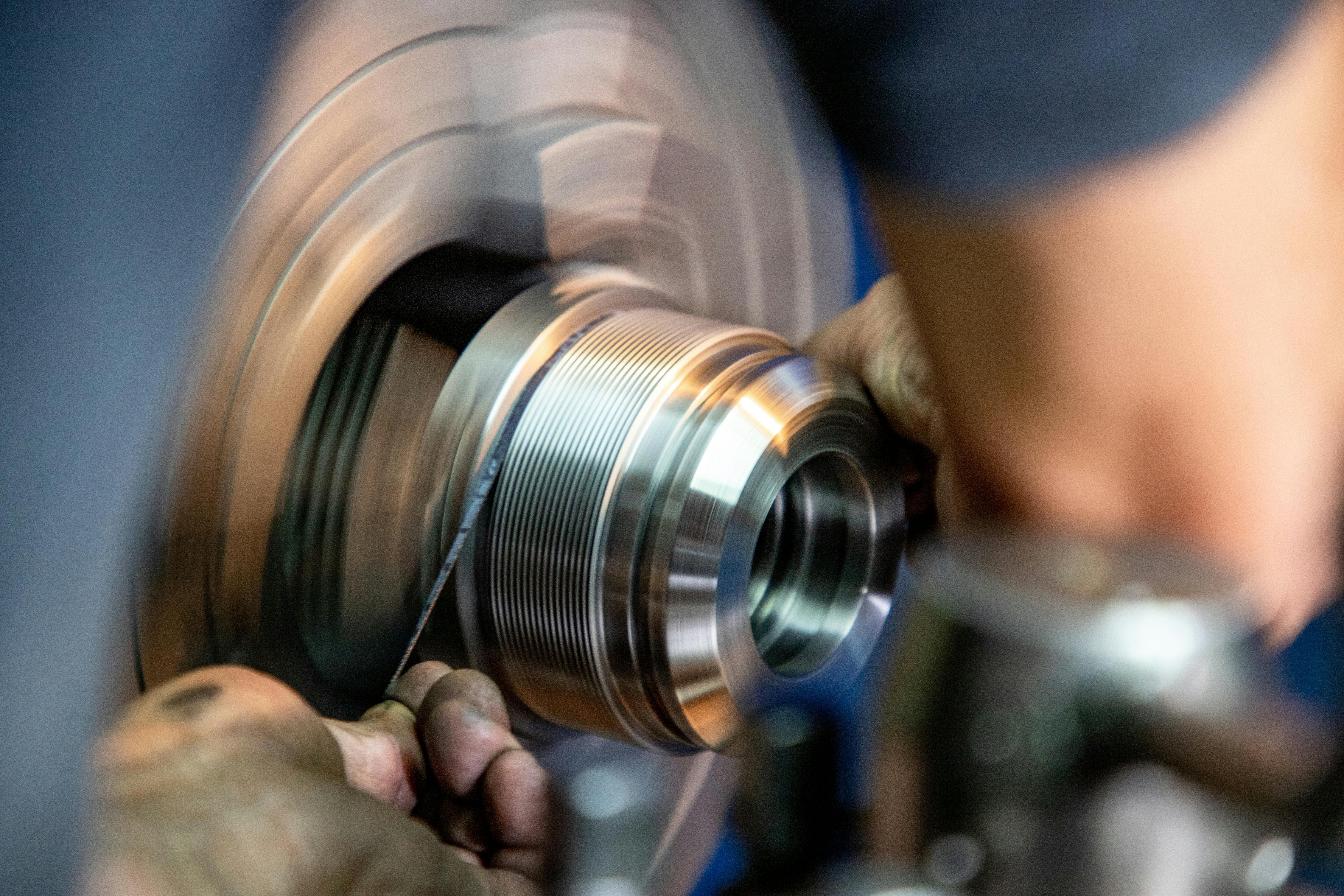
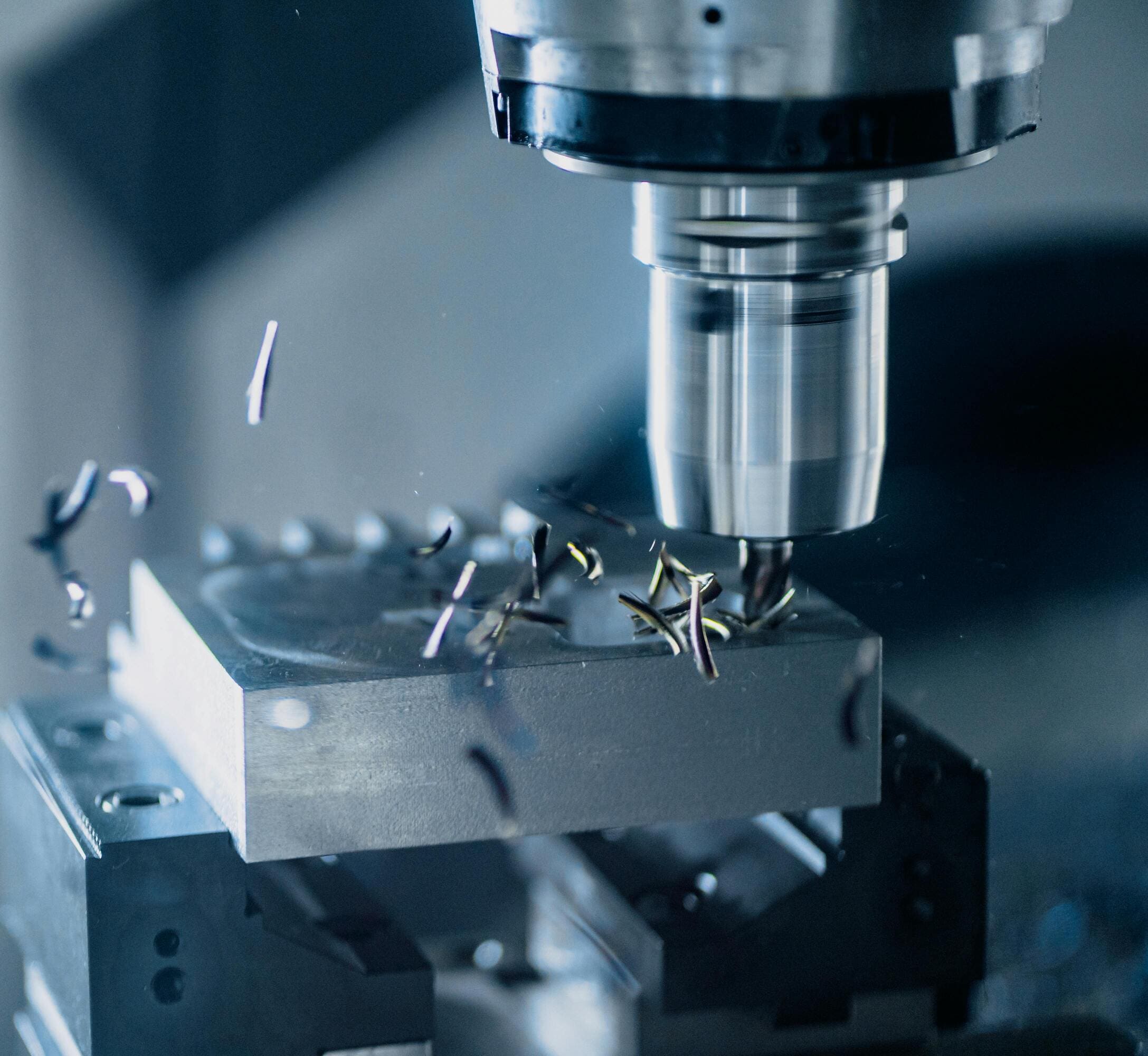
CNC machined components in titanium Grades 2, 5 and 23 and nickel alloys Inconel 625 and 718, with mill certificates traceable by heat number to every finished part and full dimensional inspection on first articles.
Titanium and Inconel are expensive to buy and expensive to machine. The material cost is obvious; the machining cost surprises buyers. Both work harden, both conduct heat poorly so it concentrates at the cutting edge, and both wear tools fast.
The practical consequence: design changes that cut machining time matter far more in these alloys than in steel. Near-net-shape blanks, generous internal radii and avoiding deep narrow pockets all reduce cost substantially. These are raised at DFM review.
Medical and aerospace applications carry their own material standards and traceability demands. State the end use at enquiry stage so the correct material certification is sourced.
On specifications: the capabilities above reflect standard specifications for this process. Achievable tolerances and finishes for your part depend on geometry, material and quantity, and are confirmed at quotation after drawing review. Every first article ships with a full dimensional inspection report against your drawing, plus Material Test Certificates for the raw material. We do not ask buyers to take a capability claim on trust.
For these alloys, material certification carries as much weight as dimensional inspection.
HS Code 8108 (titanium articles) · 7508 (nickel articles), or application-specific codes. Confirmed at order stage.
MOQ is discussed at order stage based on part complexity and material. Payment by advance TT, LC at sight, or DP/DA case by case.
Both the material and the machining are costly. These alloys work harden, conduct heat poorly so heat concentrates at the cutting edge, and wear tools quickly. Cycle times run roughly two to three times longer than stainless steel for titanium Grade 5, and three to five times longer for Inconel 718.
Design for machinability. Near-net-shape blanks reduce material removed, generous internal radii allow larger and more rigid tools, and avoiding deep narrow pockets cuts cycle time. These changes matter far more in these alloys than in steel, and they are raised at DFM review during quotation.
Grade 2 is commercially pure titanium with excellent corrosion resistance, used in chemical, marine and heat-exchanger applications. Grade 5, also called Ti-6Al-4V, is alloyed with aluminium and vanadium for much higher strength-to-weight, and is the standard choice for aerospace and structural parts.
Inconel 625 is chosen primarily for corrosion and oxidation resistance, in marine, chemical and exhaust applications. Inconel 718 is chosen for strength retained at high temperature, in turbine components and high-temperature fasteners. They are not interchangeable.
Mill certificates to the applicable standard, such as ASTM B348, ASTM B265, AMS 4928 or AMS 5662, traceable by heat number to every finished part. For medical and aerospace work, state the end use at enquiry stage so the correct certification route is sourced.
Articles of titanium generally fall under HS Code 8108, and articles of nickel alloy under 7508. Parts forming components of machinery or aircraft may fall under application-specific codes. The correct code is confirmed at order stage.
Technical drawings welcome. FOB or CIF pricing within 24 hours. Third-party inspection available.
Technical drawings welcome. FOB or CIF pricing, samples available.
Request Quote → 💬 WhatsApp +91-9066444896