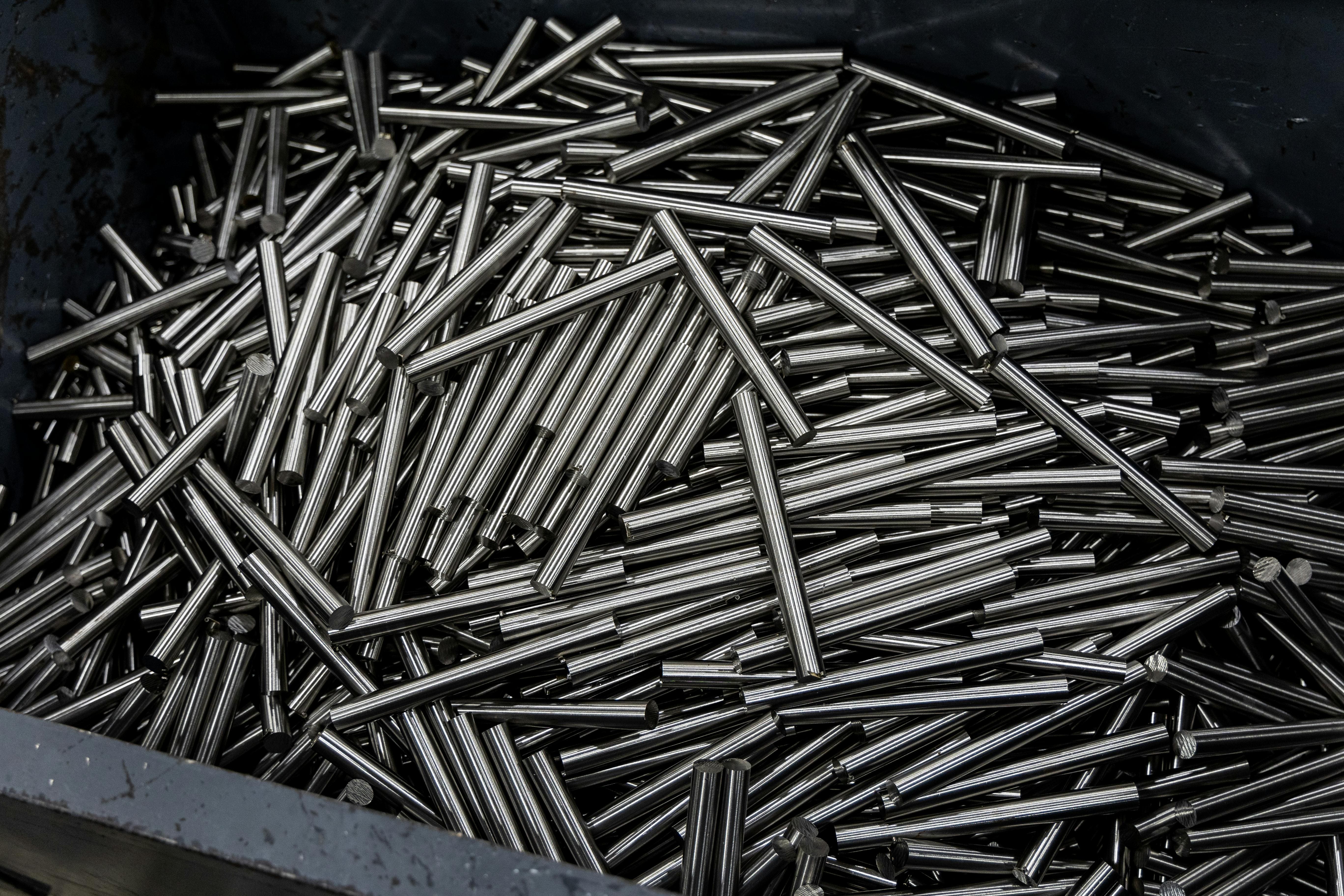
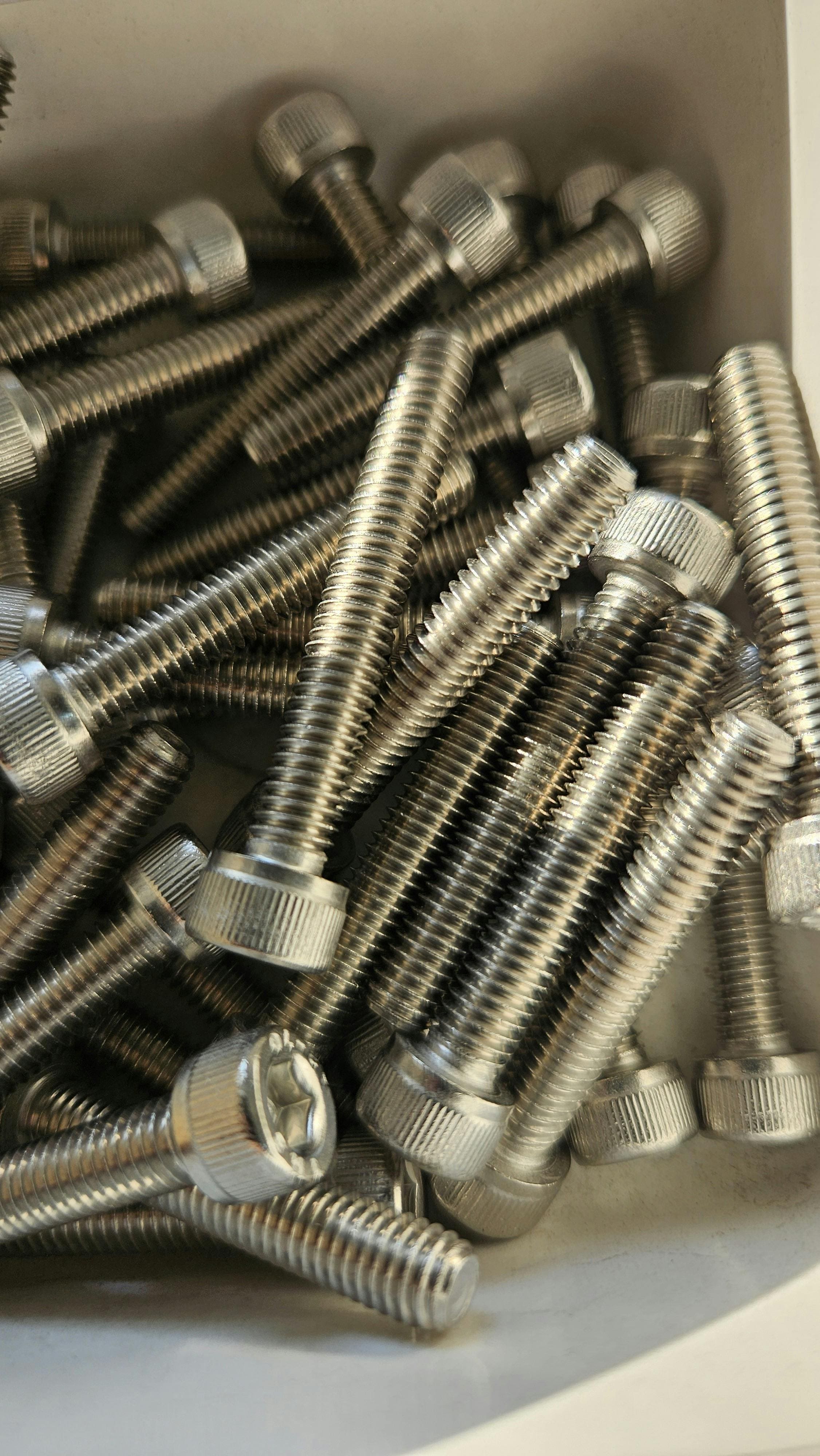
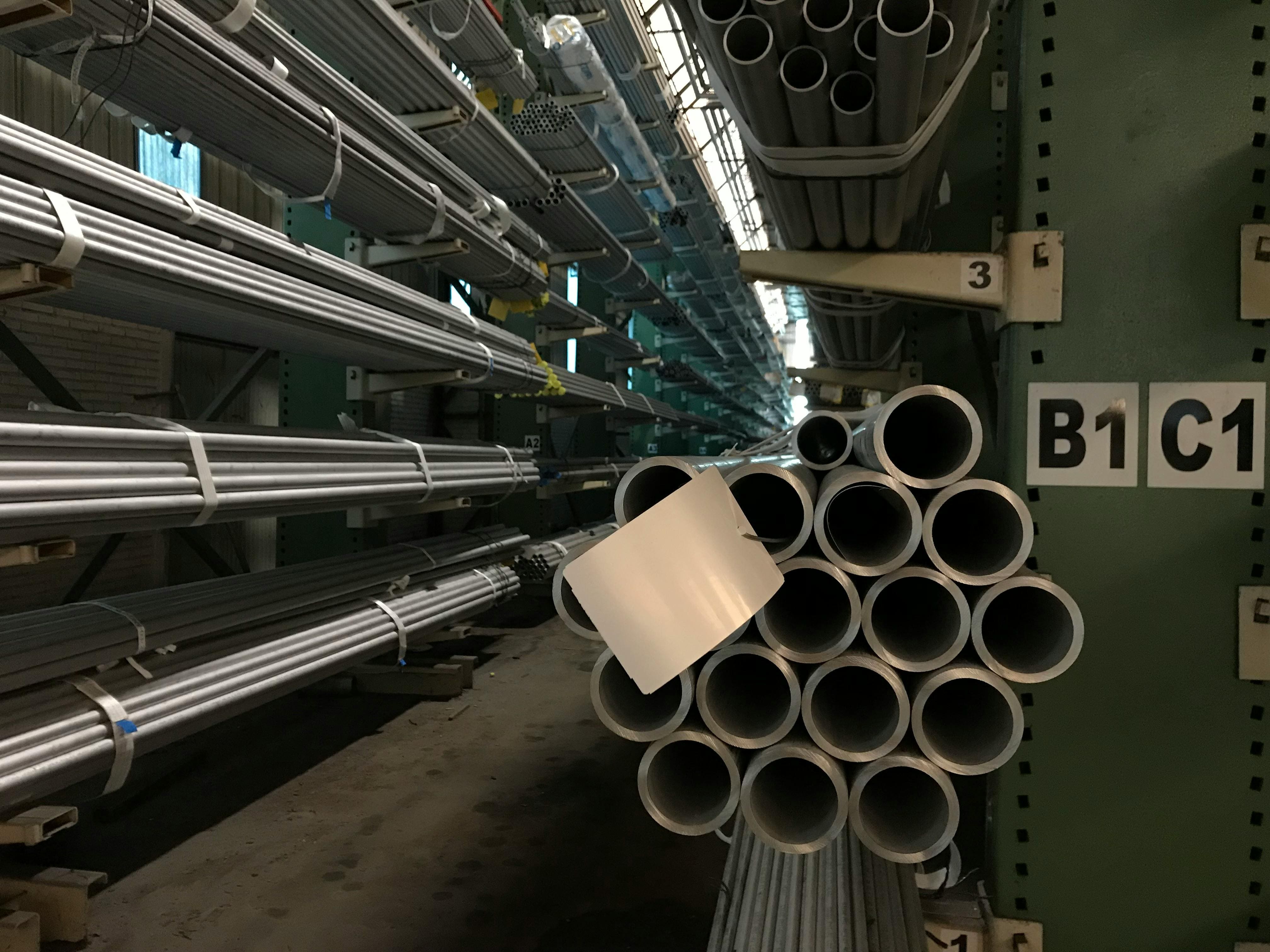
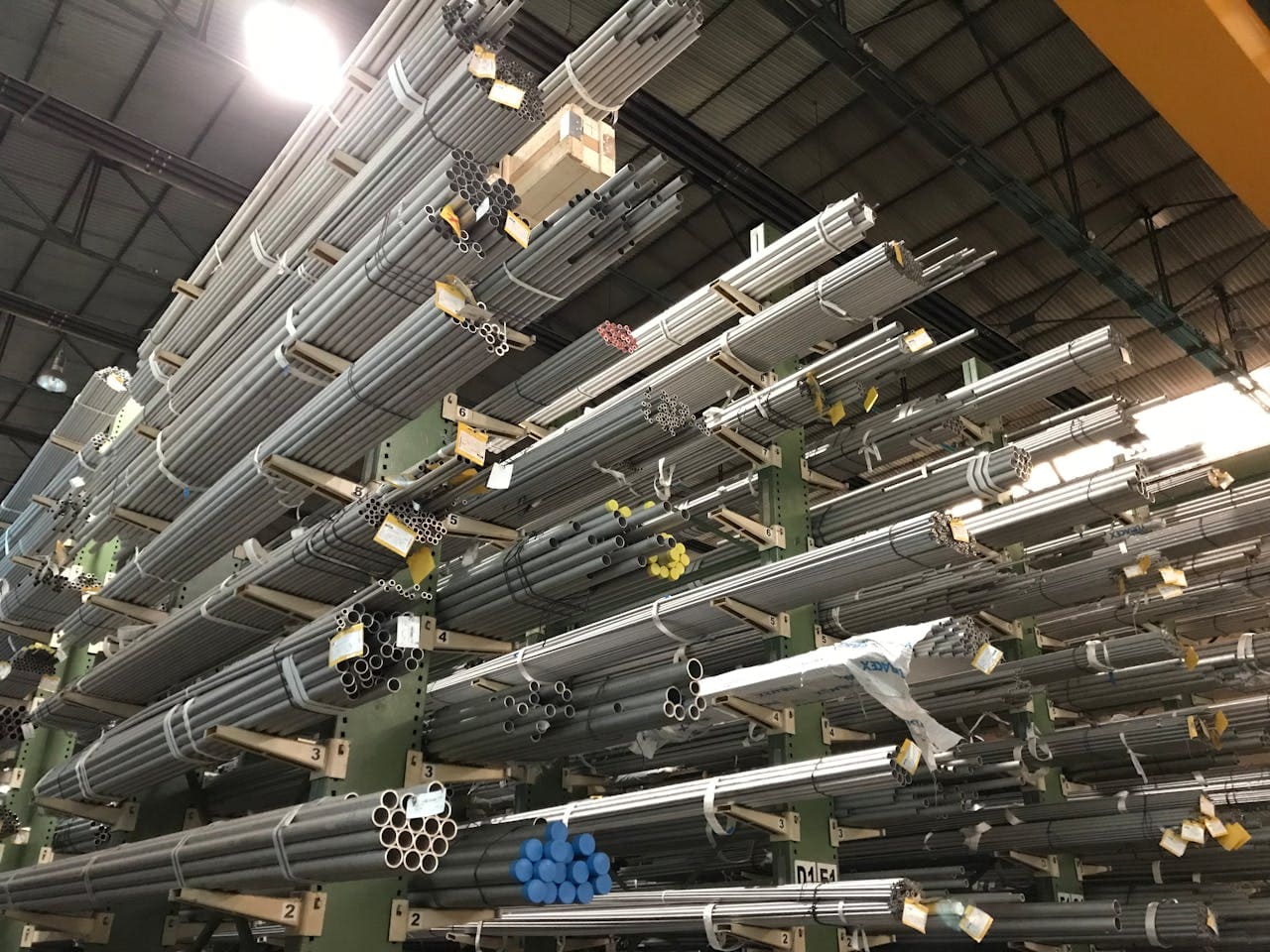
SS 202 in sheets, coils, pipes and bars to ASTM A240. Manganese-substituted 200-series austenitic at economy pricing, suited to indoor architectural, kitchenware and decorative applications, with Mill Test Certificate on every shipment.
202 is a 200-series austenitic stainless where manganese and nitrogen substitute for much of the nickel. That substitution is the whole story: it makes 202 materially cheaper than 304, and it makes it less corrosion resistant. Used in the right place it is excellent value. Used in the wrong place it rusts.
Specify 202 for indoor, dry, low-corrosion applications where appearance and cost matter more than chemical exposure. Do not specify it for outdoor, coastal, food-processing or chemical service — that is what 304 and 316 exist for.
Substituting 202 into a 304 application to save money is the most common mistake with this grade, and it usually surfaces as surface rust within months. These are the applications where 202 genuinely fits:
If a buyer asks for "stainless steel" without specifying a grade and the end use involves moisture, salt or chemicals, 202 is the wrong answer even though it is the cheapest.
On specifications: the figures above reflect standard industry specifications for this product. Your actual batch values are confirmed on the Mill Test Certificate or Certificate of Analysis issued against your specific lot — provided with every shipment, and with sample orders before you commit to bulk. We do not ask buyers to take a specification on trust.
Mill Test Certificate is provided with every shipment. Check the nickel figure — it is what distinguishes 202 from 304 and the most common point of misrepresentation in the grade.
Grade substitution is a real risk with 202, because it looks identical to 304 and costs less. The Mill Test Certificate is your only protection.
HS Code 7219 (flat, width 600mm+) · 7220 (flat, under 600mm). Declared per form ordered.
MOQ is discussed at order stage based on form and dimensions. We will tell you if 202 is wrong for your application. Payment by advance TT, LC at sight, or DP/DA case by case.
202 is a 200-series austenitic stainless where manganese and nitrogen substitute for much of the nickel. It runs 3.5 to 5.5 percent nickel against 8 to 10.5 percent in 304, with 7.5 to 10 percent manganese against a maximum of 2 percent. The result is a materially cheaper alloy with moderate rather than good corrosion resistance.
Only where the environment is dry, indoor and free of chemicals. Substituting 202 into a genuine 304 application is the most common mistake with this grade and it usually shows as surface rust within months. Outdoor, coastal, food processing and chemical service all require 304 or 316.
Interior architectural work such as railings, cladding and trim, kitchenware and utensils in dry use, furniture frames and fittings, decorative automotive trim, and retail display fixtures. In these applications the appearance and formability of austenitic stainless matter more than chemical resistance, and 202 delivers both at lower cost.
Check the Mill Test Certificate, specifically the nickel figure. Because 202 looks identical to 304 and costs less, grade substitution is a real commercial risk in this part of the market. Positive Material Identification by XRF on the physical material is worth arranging on first transactions.
The higher manganese and nitrogen content increases the rate at which the alloy hardens during forming. In practice this means 202 needs more forming force, more intermediate annealing on deep draws, and tooling that accounts for springback. Fabricators moving from 304 to 202 should expect to adjust their process.
Flat-rolled stainless products 600mm wide and above fall under HS Code 7219; below 600mm under 7220. Bars fall under 7222. We declare the correct code based on the form ordered.
Technical drawings welcome. FOB or CIF pricing within 24 hours. Third-party inspection available.
Technical drawings welcome. FOB or CIF pricing, samples available.
Request Quote → 💬 WhatsApp +91-9066444896