Complete sheet metal fabrication from laser cutting and press brake bending through welding, hardware insertion and finishing. Mild steel, stainless and aluminium up to 12mm, with a dimensional report on every first article.
Sheet metal fabrication is a chain of operations, and the cost of a part is set mostly by how many operations it needs and how many times it is handled between them. Fewer bends, fewer welds and fewer separate parts almost always mean a cheaper assembly.
Replacing a welded joint with a formed tab, or two parts with one folded part, is often the single biggest cost reduction available. These are flagged at DFM review.
Most sheet metal cost problems are designed in. These rules let a part be made with standard tooling and fewer operations:
Tolerances across bends accumulate, so dimensions spanning several bends cannot be held as tightly as cut features. Dimension critical features from a common edge.
On specifications: the capabilities above reflect standard specifications for this process. Achievable tolerances and finishes for your part depend on geometry, material and quantity, and are confirmed at quotation after drawing review. Every first article ships with a full dimensional inspection report against your drawing, plus Material Test Certificates for the raw material. We do not ask buyers to take a capability claim on trust.
Every first article is measured against your drawing before series production begins.
HS Code 7326.90 (steel articles) · 7616.99 (aluminium articles), or application-specific codes. Confirmed at order stage.
MOQ is discussed at order stage based on part complexity and material. Payment by advance TT, LC at sight, or DP/DA case by case.
Mostly the number of operations and how often the part is handled between them. Each bend, weld and inserted fastener adds time. Fewer bends, fewer welds and fewer separate parts almost always mean a cheaper assembly, which is why design changes at DFM review often save more than any price negotiation.
Laser-cut features typically hold plus or minus 0.1mm. Dimensions across bends are looser, around 0.2 to 0.5mm depending on geometry, because tolerance accumulates with each bend. Dimension critical features from a common reference edge rather than chaining them across several bends.
At least equal to the material thickness, and ideally one consistent radius across the whole part. Mixed radii force tool changes and add setup time. Very tight radii risk cracking, especially in harder aluminium tempers.
Keep holes at least two to three times the material thickness away from the bend line. Closer holes distort into ovals as the metal stretches during bending. If a hole must sit close to a bend, it can be cut after forming, though that adds an operation.
Mild steel in CRCA, hot rolled and galvanised from 0.5 to 12mm, stainless 304, 316 and 202 from 0.5 to 8mm, and aluminium 5052 and 6061 from 0.5 to 10mm. Bending runs up to 3 metres in length.
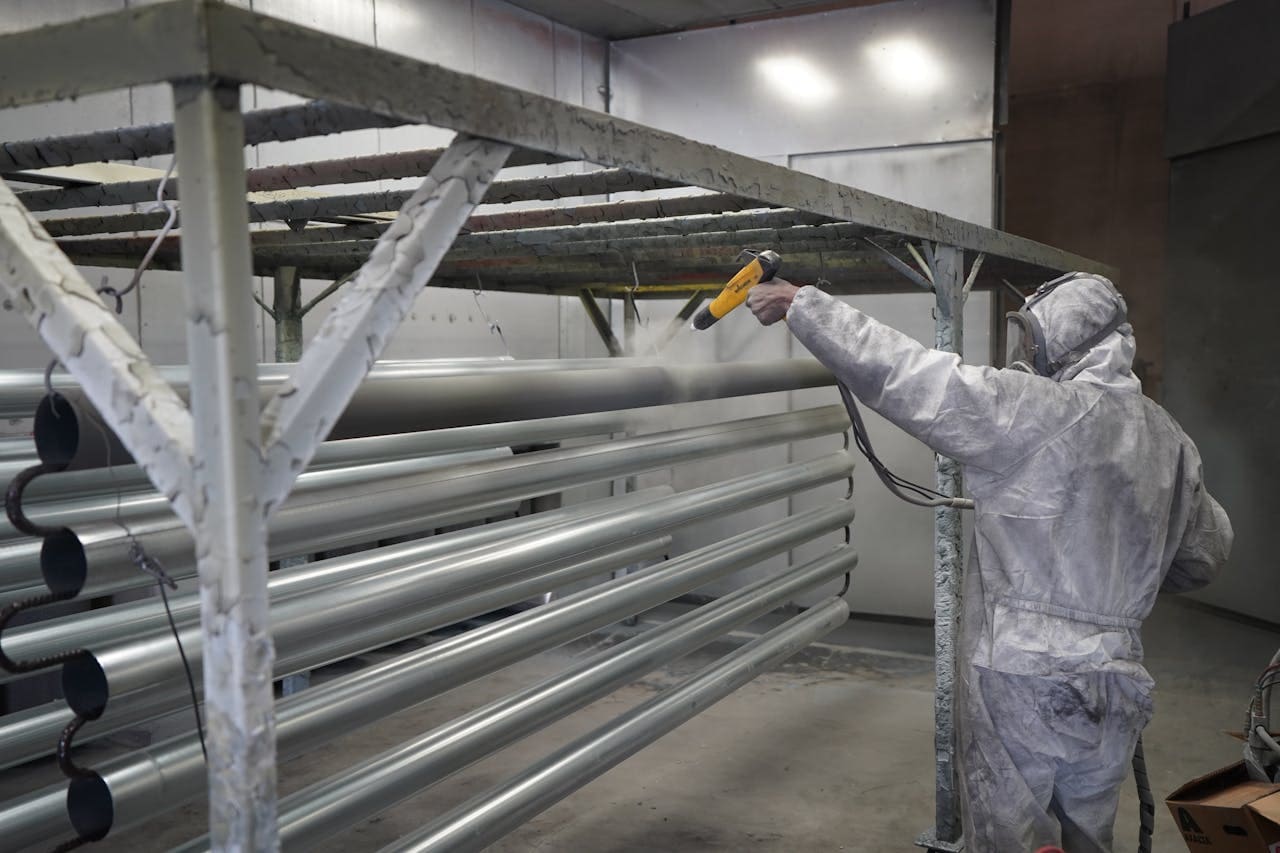
Yes. Powder coating, zinc plating and anodising can be included, along with hardware insertion such as PEM nuts and studs, and welded sub-assembly. Parts then arrive ready to install, which removes a separate finishing supplier from your chain.
Technical drawings welcome. FOB or CIF pricing within 24 hours. Third-party inspection available.
Technical drawings welcome. FOB or CIF pricing, samples available.
Request Quote → 💬 WhatsApp +91-9066444896