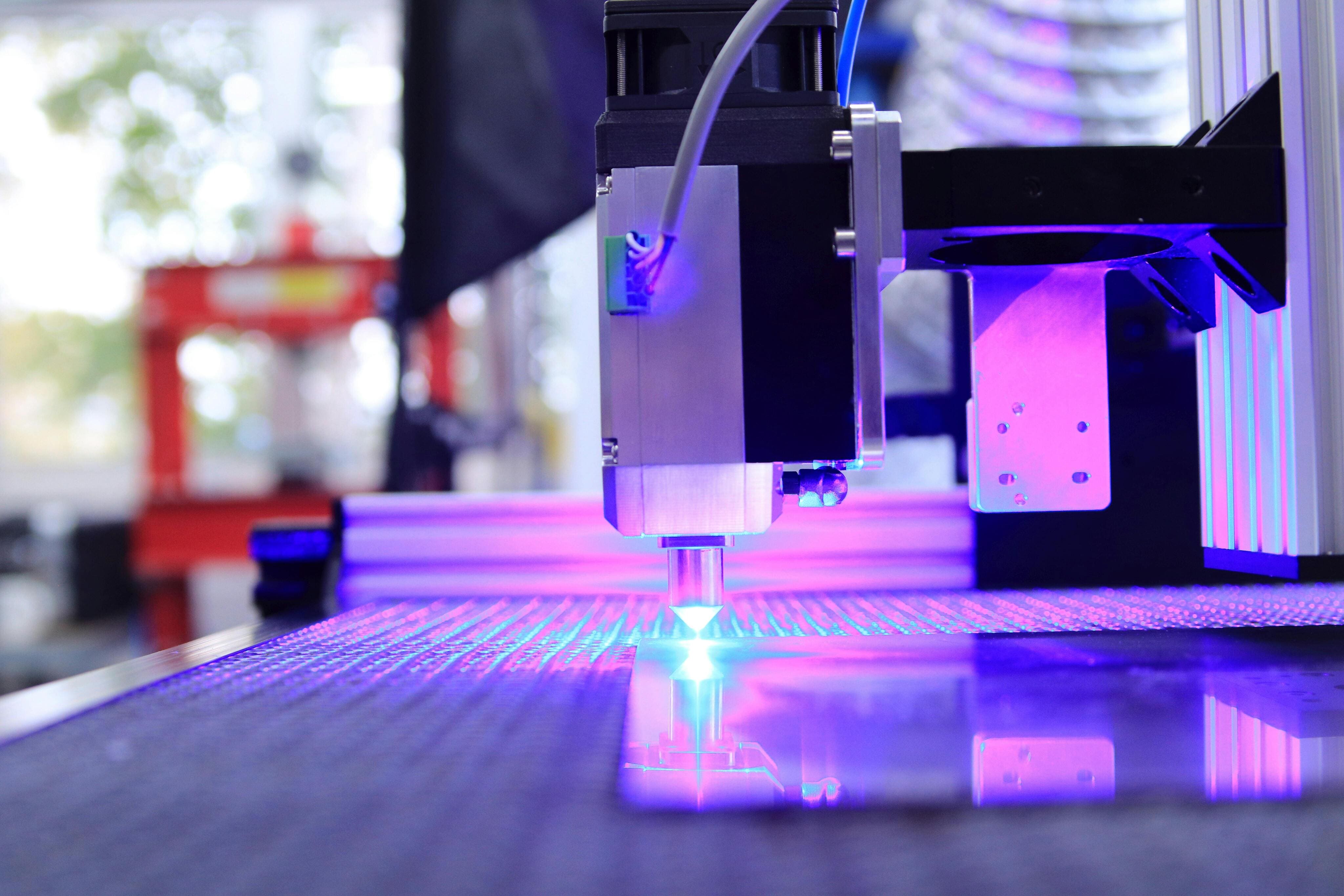
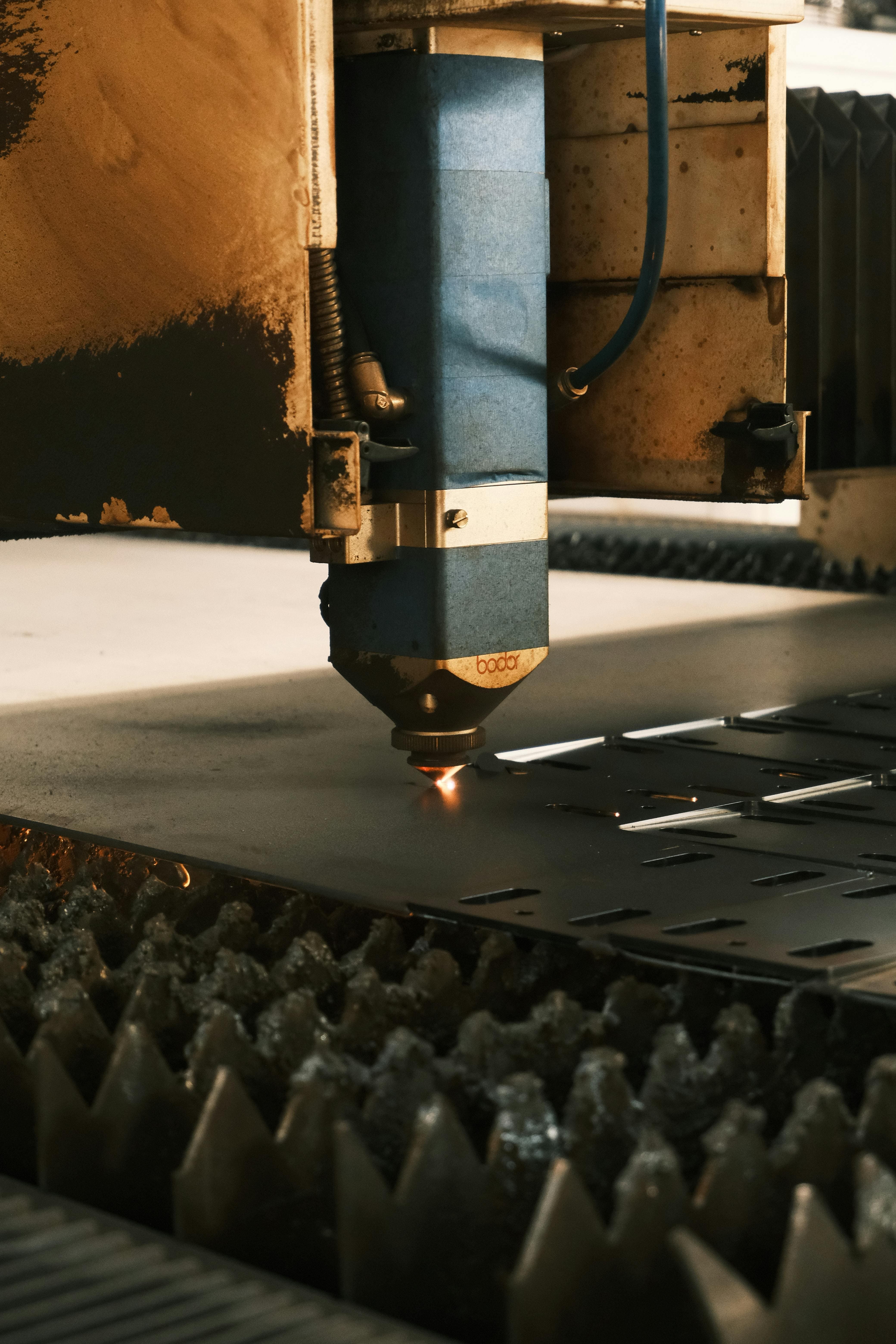
Fibre laser cut components to ±0.1mm in mild steel up to 25mm, stainless, aluminium, brass and copper. No hard tooling, so designs can change between batches at no extra cost.
Laser cutting needs no hard tooling, so a design can change between batches at no cost. That makes it the default for prototypes, short runs and complex profiles. At very high volume, punching or stamping can become cheaper per part.
If your volume is high and the design is frozen, ask for a stamping comparison. Below that, laser almost always wins because there is no tooling to amortise.
Cut quality depends on material, thickness and assist gas. Specify edge requirements if the edge is functional or visible.
Oxygen-cut steel leaves an oxide layer that can affect paint adhesion and welding. If parts will be powder coated or welded, specify nitrogen-cut or allow for edge cleaning.
On specifications: the capabilities above reflect standard specifications for this process. Achievable tolerances and finishes for your part depend on geometry, material and quantity, and are confirmed at quotation after drawing review. Every first article ships with a full dimensional inspection report against your drawing, plus Material Test Certificates for the raw material. We do not ask buyers to take a capability claim on trust.
Every first article is measured against your drawing before series production begins.
HS Code 7326.90 (steel articles) · 7616.99 (aluminium articles). Confirmed at order stage.
MOQ is discussed at order stage based on part complexity and material. Payment by advance TT, LC at sight, or DP/DA case by case.
For prototypes, short and medium runs, and complex profiles, because laser cutting needs no hard tooling and designs can change between batches at no cost. At very high volume with a frozen design, punching or stamping can become cheaper per part once tooling is amortised. Ask for a comparison if your volumes are large.
Typically plus or minus 0.1mm on cut features. Kerf width runs 0.1 to 0.3mm depending on material and thickness, and the cutting program compensates for it so finished dimensions match the drawing.
Oxygen-assisted cutting of steel is faster but leaves an oxide layer on the edge that can affect paint adhesion and welding. Nitrogen-assisted cutting produces a clean, oxide-free edge. If parts will be powder coated or welded, specify nitrogen cutting or allow for edge cleaning.
Mild steel up to about 25mm, stainless steel up to 20mm, aluminium up to 15mm, and brass and copper up to 8mm. Thicker sections cut more slowly and edge quality reduces, so for very thick plate plasma or waterjet may be more economical.
DXF or DWG flat patterns are ideal for cut parts. STEP files are needed where parts will also be bent, so the flat pattern can be developed correctly. A PDF drawing with tolerances and material should accompany any CAD file.
As a rule of thumb, around the material thickness in diameter. Smaller holes are possible in thin material but edge quality and roundness reduce. For small precise holes in thick plate, drilling after cutting is more reliable.
Technical drawings welcome. FOB or CIF pricing within 24 hours. Third-party inspection available.
Technical drawings welcome. FOB or CIF pricing, samples available.
Request Quote → 💬 WhatsApp +91-9066444896