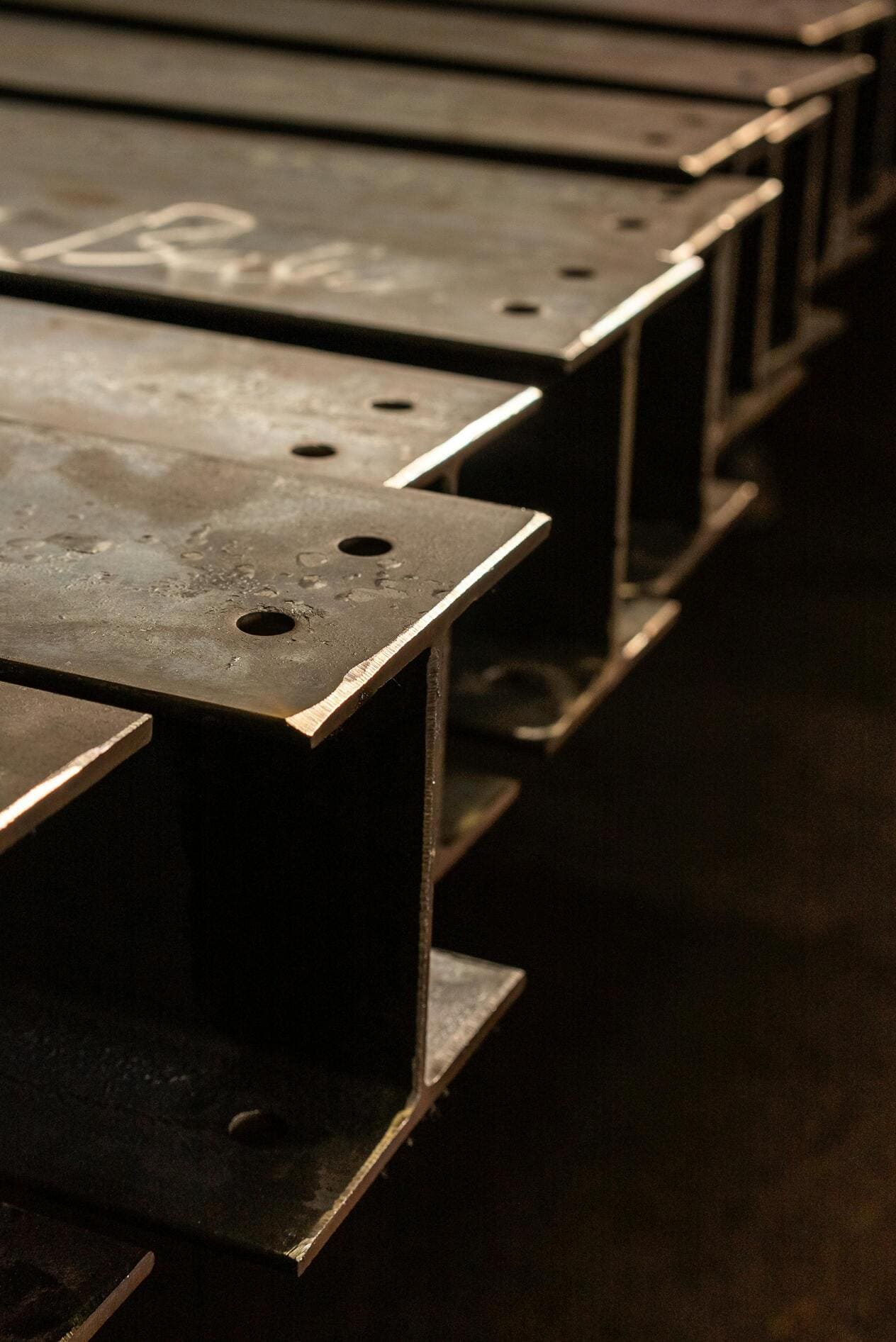
Structural sections in ISMB, ISWB, ISMC and ISA designations to IS 2062, ASTM A36 and EN 10025. Grades E250 through E450 with A, BR and B0 impact classes, CE marking to EN 1090 available for EU construction.
The same structural section carries different designations in each standard system, and a buyer quoting an Indian designation to a European engineer will get blank looks. Know which system your drawing uses.
Send the drawing with the designation as written, plus the standard it references. Cross-referencing between systems is not a straight swap because flange thickness and web dimensions differ even where overall depth matches.
Structural sections carry the same grade and quality class logic as plate. Strength and toughness are separate specifications and both need stating.
For anything carrying dynamic load or installed in a cold climate, the impact class is not optional. Confirm it with your structural engineer rather than defaulting to the cheapest available.
On specifications: the figures above reflect standard industry specifications for this product. Your actual batch values are confirmed on the Mill Test Certificate or Certificate of Analysis issued against your specific lot — provided with every shipment, and with sample orders before you commit to bulk. We do not ask buyers to take a specification on trust.
Structural steel entering EU construction requires CE marking under the Construction Products Regulation. This must be arranged at the mill, not retrospectively.
HS Code 7216 (angles, shapes and sections). Heat number marked on each piece, bundled to buyer specification.
MOQ is discussed at order stage based on section and quantity. Cut to length available. Payment by advance TT, LC at sight, or DP/DA case by case.
They do not map exactly. An ISMB I-beam is broadly comparable to an IPE, ISWB to HEA or HEB, ISMC to UPN, and ISA to an equal angle L section. But flange thickness and web dimensions differ even where overall depth matches, so cross-referencing is not a straight substitution. Send the drawing with the designation as written and the standard it references.
Strength is identical at minimum 250 MPa yield. The difference is impact toughness: A carries no impact requirement, BR requires Charpy testing at room temperature, and B0 at zero degrees Celsius. For dynamic loading or cold climates, B0 is normally required, and using A in those conditions is a structural risk.
For steel entering EU construction works, yes. CE marking under the Construction Products Regulation with a Declaration of Performance to EN 1090 is required. It must be arranged at the mill during production and cannot be issued retrospectively, so specify it at enquiry stage.
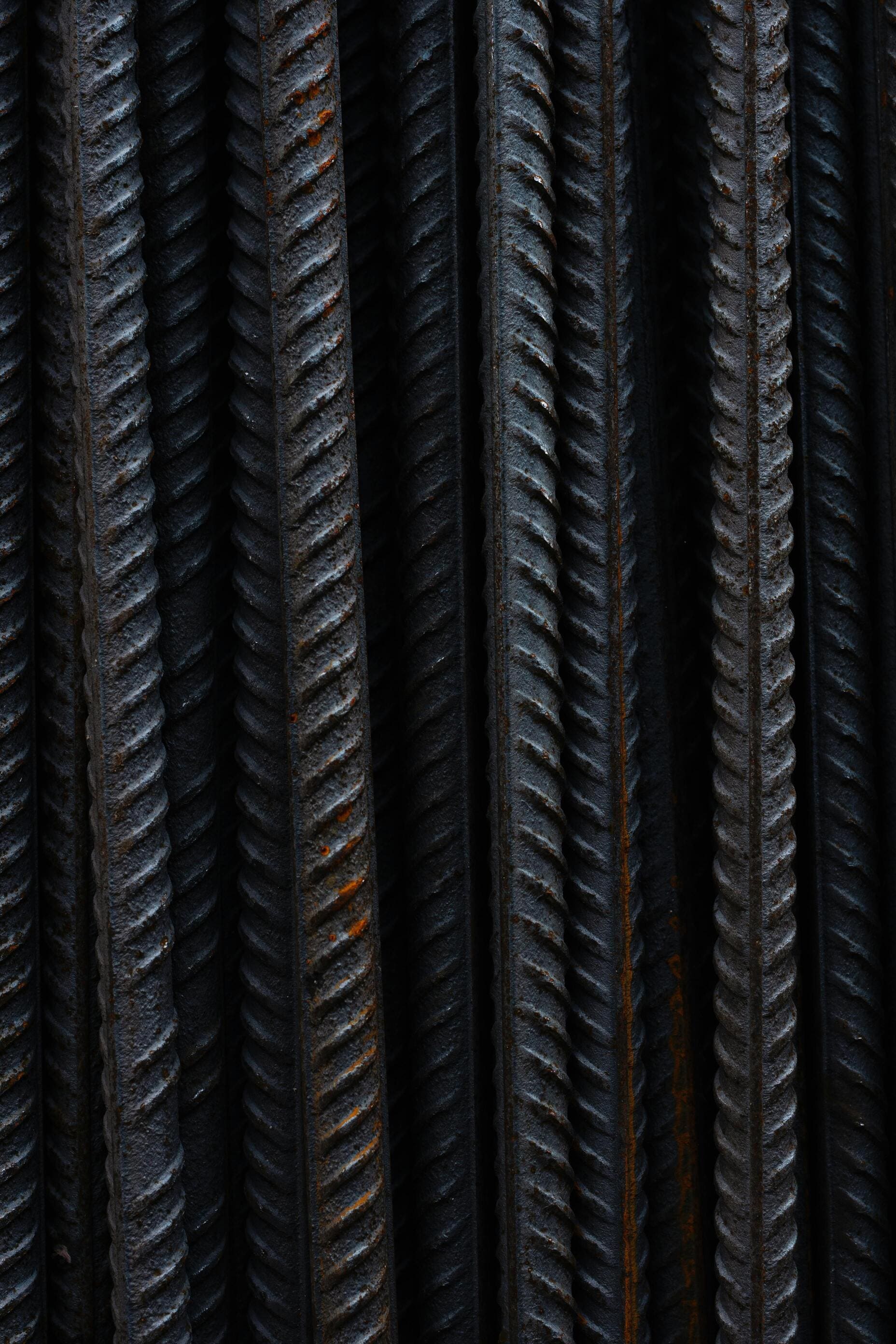
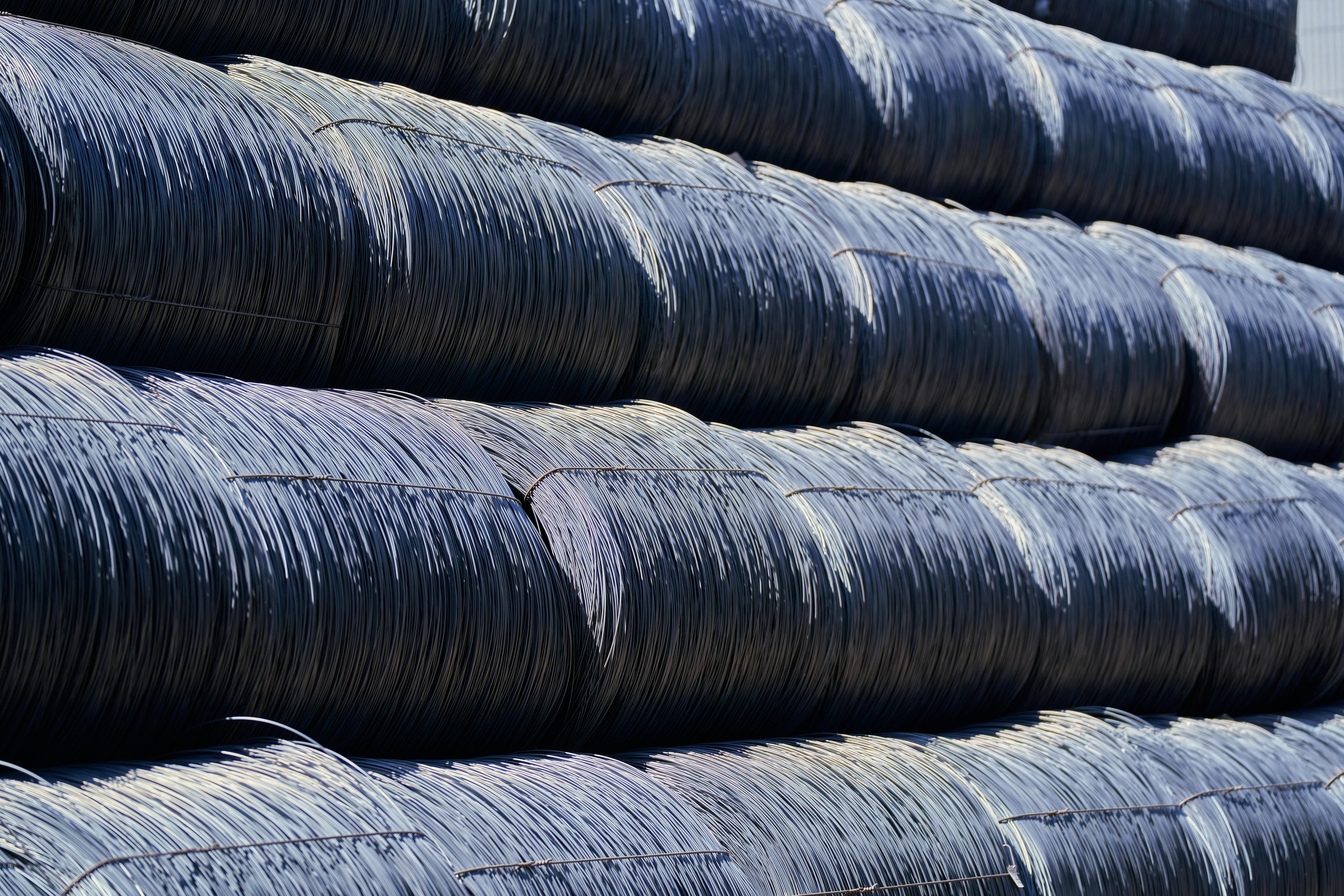
Angles, shapes and sections of iron or non-alloy steel fall under HS Code 7216. Bars and rods fall under 7214 or 7215 depending on the process. We declare the correct code based on the section type ordered.
Yes. Standard mill lengths are typically 6, 9 or 12 metres, and cutting to your specified lengths is available. Confirm whether you need mill lengths for site cutting or pre-cut pieces, since it affects both pricing and how the material is bundled for shipment.
Yes. Each piece carries its heat number marking, and the Mill Test Certificate links that heat to the full chemistry and mechanical test results. This is essential for structural work where the fabricator must demonstrate material traceability to the specification.
Technical drawings welcome. FOB or CIF pricing within 24 hours. Third-party inspection available.
Technical drawings welcome. FOB or CIF pricing, samples available.
Request Quote → 💬 WhatsApp +91-9066444896