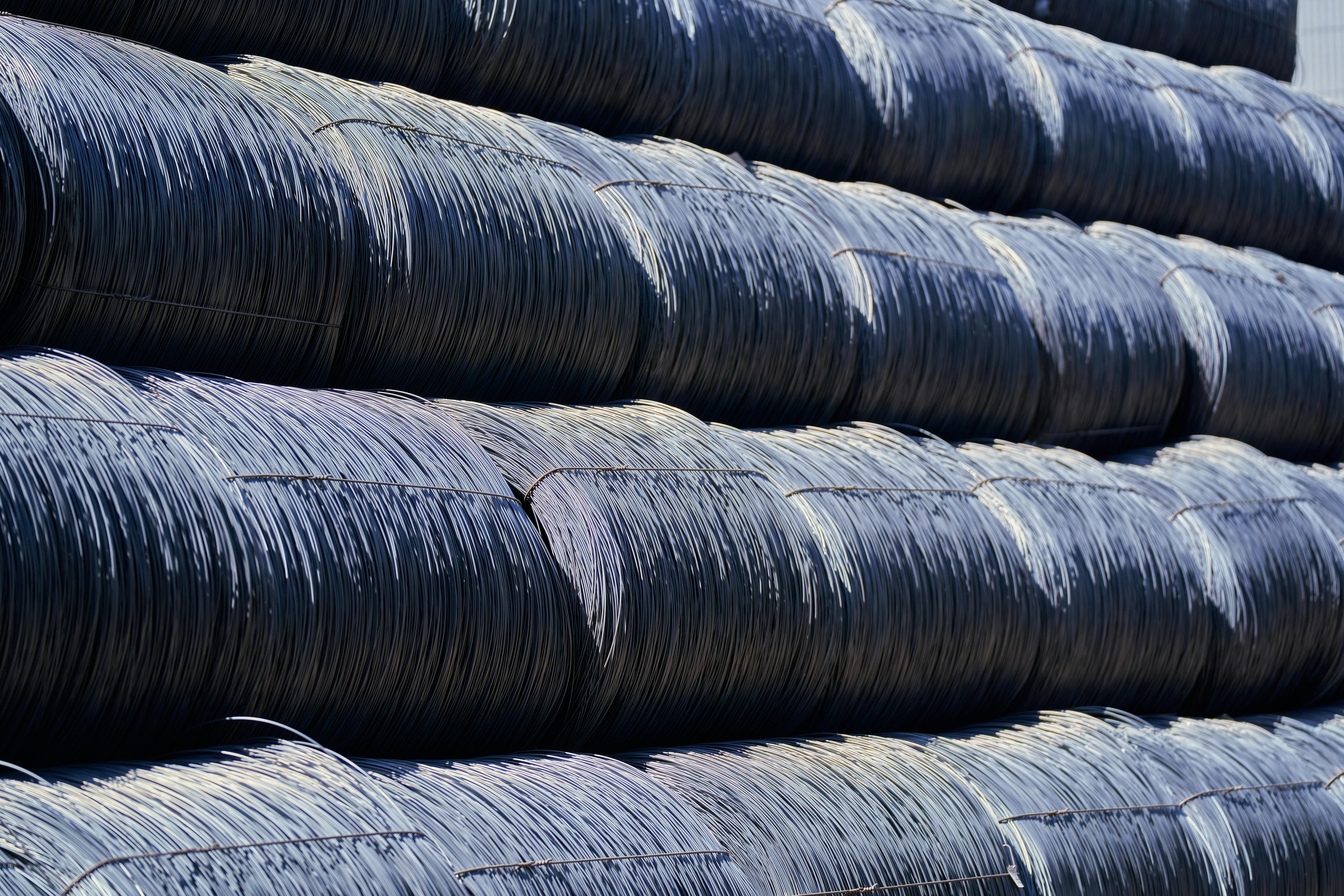
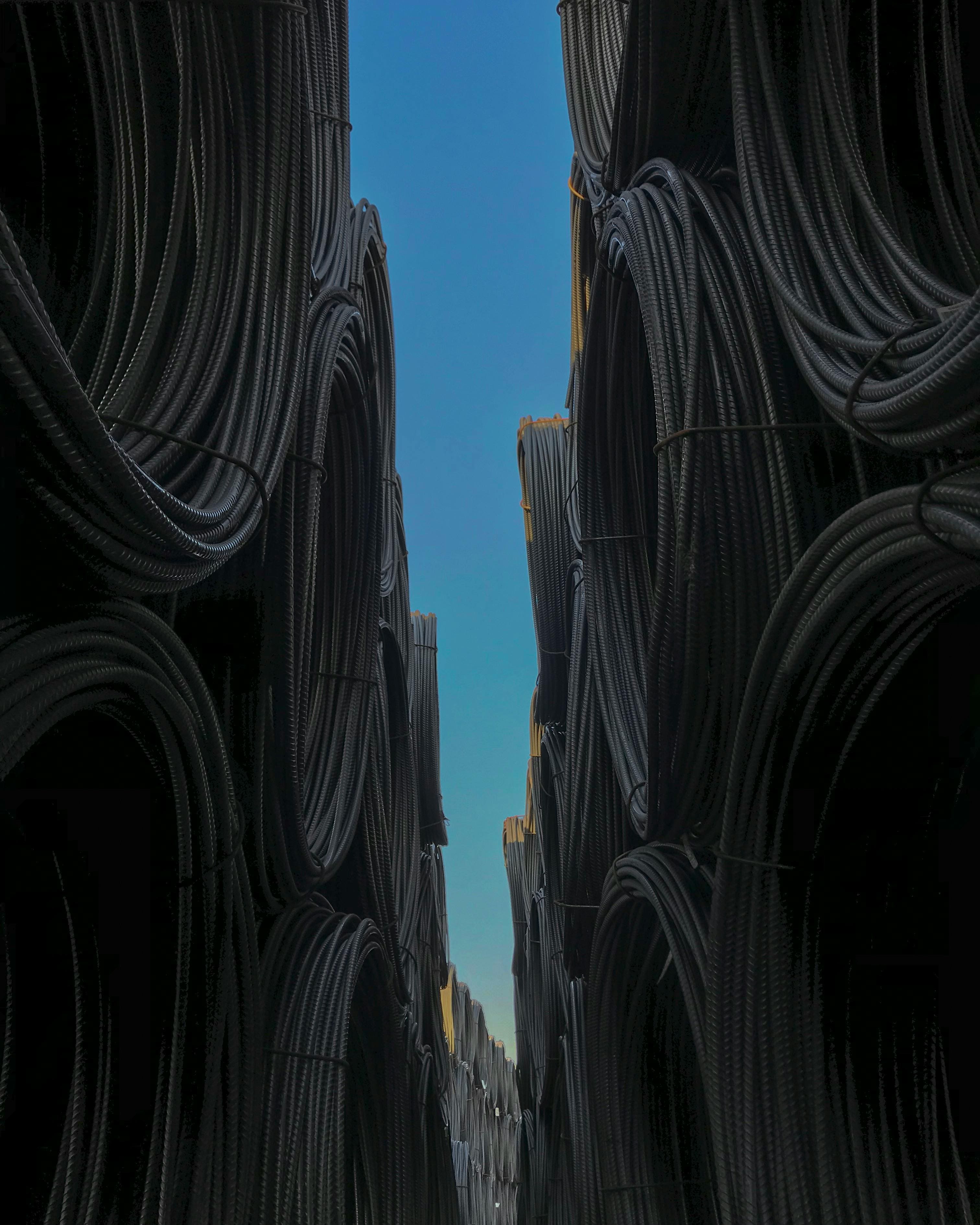
Hot rolled mild steel coils from 1.2 to 25mm to IS 2062, ASTM A36 and EN 10025 S275. Black or pickled and oiled surface, with Mill Test Certificate traceable by heat number on every shipment.
Hot rolled and cold rolled coil are the same steel processed differently, and the price gap is substantial. Buying CR where HR would serve is one of the largest avoidable overspends in steel procurement.
Specify HR for structural work, pipe and tube manufacture, heavy fabrication and anything that will be painted or further processed. CR earns its premium only where surface finish, tight thickness tolerance or deep-drawing formability actually matter to the end product.
Hot rolling leaves mill scale on the surface. Pickling removes it in an acid bath; oiling then protects the clean surface in transit. For anything that will be welded, painted or formed, P&O saves you the descaling operation.
If you shot-blast in house before fabrication, black HR coil is cheaper and the scale is irrelevant. Otherwise P&O usually pays for itself in avoided handling.
On specifications: the figures above reflect standard industry specifications for this product. Your actual batch values are confirmed on the Mill Test Certificate or Certificate of Analysis issued against your specific lot — provided with every shipment, and with sample orders before you commit to bulk. We do not ask buyers to take a specification on trust.
Structural steel entering regulated markets requires traceable certification. Specify your requirement at enquiry stage rather than after rolling.
HS Code 7208 (hot rolled, width 600mm+). Coil weight and ID to buyer specification.
MOQ is discussed at order stage based on thickness and width. Payment by advance TT, LC at sight, or DP/DA case by case.
Hot rolled for structural work, pipe and tube manufacture, heavy fabrication and anything that will be painted or further processed. Cold rolled earns its premium only where surface finish, tight thickness tolerance or deep-drawing formability genuinely matter. Buying CR where HR would serve is one of the largest avoidable overspends in steel procurement.
Hot rolling leaves a layer of mill scale, which is iron oxide, on the surface. Pickling removes it chemically in an acid bath, and oiling then protects the clean surface during transit. Specify P&O for anything that will be welded, painted, coated or cold formed, since the scale interferes with all four.
When you shot-blast in house before fabrication, since the scale gets removed anyway and black coil is cheaper. Also where the material goes into applications with no surface requirement. Otherwise pickled and oiled usually pays for itself in avoided handling and rework.
IS 2062 is the Indian structural steel standard, broadly equivalent to ASTM A36 and EN 10025 S275. Confirm which standard your specification calls for at enquiry stage, since the mechanical requirements differ slightly and the Mill Test Certificate is issued against a specific standard.
Flat-rolled products of iron or non-alloy steel, hot rolled, of a width 600mm or more, fall under HS Code 7208. Narrower material falls under 7211. We declare the correct code based on the width ordered.
Yes, on request. It is an inspector-signed Mill Test Certificate required for structural steel entering EU construction under EN 1090 and the Construction Products Regulation. It has to be arranged at the mill during production, so specify it at enquiry stage rather than after rolling.
Technical drawings welcome. FOB or CIF pricing within 24 hours. Third-party inspection available.
Technical drawings welcome. FOB or CIF pricing, samples available.
Request Quote → 💬 WhatsApp +91-9066444896