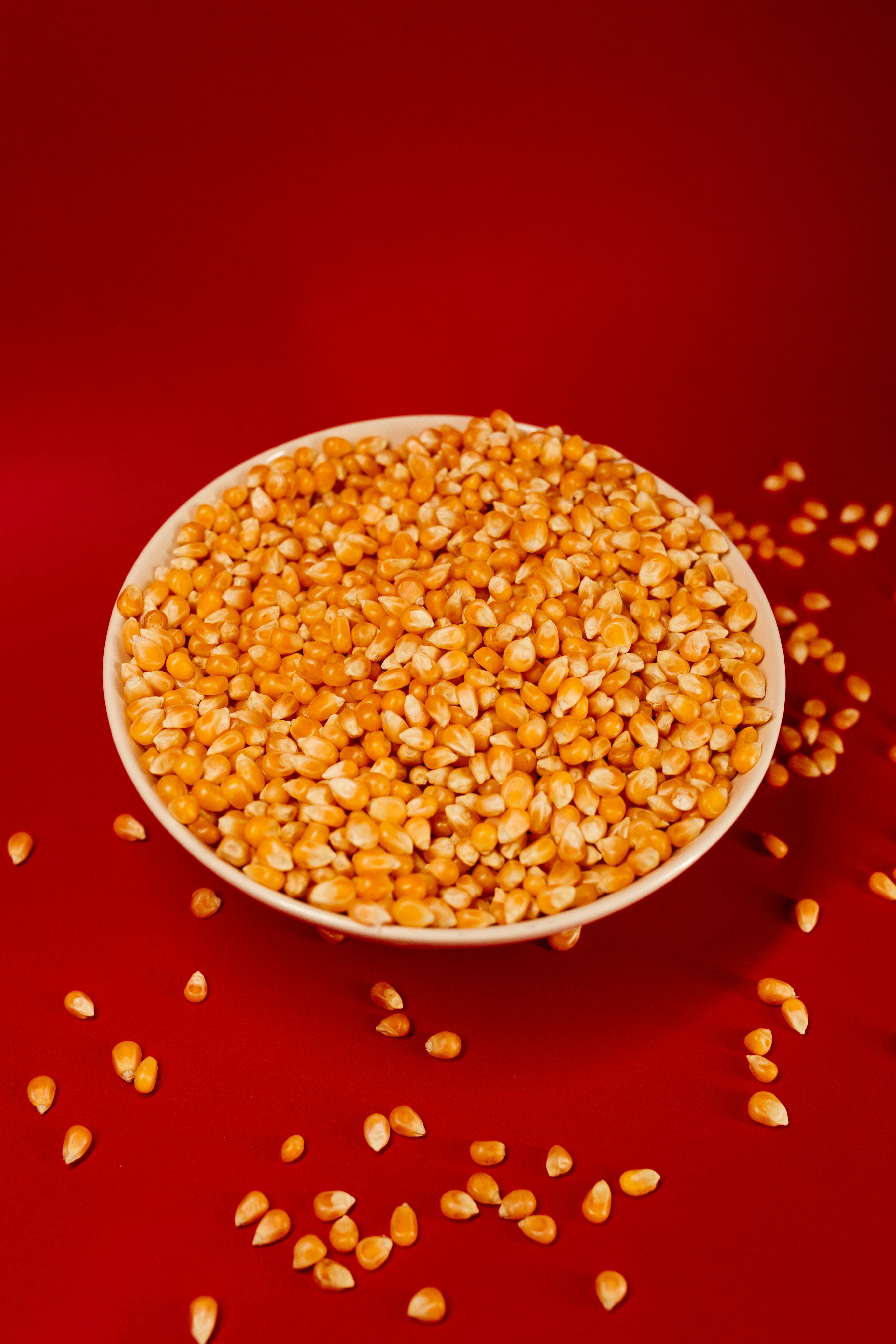
Feed Grade or Food Grade — Different Specifications
Maize splits into two commercial streams with materially different testing requirements. Feed maize moves on bulk price; food and starch grade carries tighter aflatoxin and quality limits.
Aflatoxin limits are the practical dividing line. Feed buyers in most markets accept up to 20 ppb; food-grade buyers in the EU work to far tighter limits, and starch manufacturers add their own quality criteria.
Aflatoxin — The Parameter That Decides Acceptance
Maize is highly susceptible to aflatoxin, which develops in the field and worsens in storage. Limits differ sharply by market and by whether the cargo is destined for feed or food.
Every lot is tested by HPLC against your destination standard and the result is stated on the Certificate of Analysis. Confirm your applicable limit at enquiry stage — the same cargo can be compliant for one market and rejected by another.
Typical Specifications
On specifications: the figures above reflect standard industry specifications for this product. Your actual batch values are confirmed on a NABL-accredited Certificate of Analysis issued against your specific lot — provided with every shipment, and with sample orders before you commit to bulk. We do not ask buyers to take a specification on trust.
Documentation — Handled End to End
Maize attracts border scrutiny on aflatoxin and, in many markets, on GMO status. We prepare the full document set and hand over originals within 24 hours of the Bill of Lading date.
HS Code 1005.90. Third-party inspection by SGS or Bureau Veritas available on request.
How Ordering Works
MOQ is discussed at order stage. Payment by advance TT, LC at sight, or DP/DA case by case.
Buyer Questions
What is the difference between feed grade and food grade maize?
Feed maize moves on bulk price with basic quality parameters and, in most markets, an aflatoxin limit around 20 ppb. Food and starch grade carries far tighter aflatoxin limits, lower damage tolerance and additional quality criteria. State the end use at enquiry stage, because it determines lot selection and what gets tested.
What aflatoxin limit applies to my market?
It depends on both destination and end use. EU food-grade limits are the strictest at around 4 ppb total, while EU feed operates under separate regulation. The US FDA action level is 20 ppb, and Middle East and Asian feed markets typically run 20 to 50 ppb. The same cargo can be compliant in one market and rejected in another, so confirm your limit before shipment.
Is Indian maize non-GMO?
Yes. Non-GMO status is standard for Indian maize and a declaration is provided with every shipment. Where your market requires third-party verification rather than a supplier declaration, that can be arranged through SGS or Bureau Veritas at order stage.
What moisture level should maize be shipped at?
Maximum 14 percent as standard. Above that, bulk maize heats in transit and aflatoxin can develop further in storage, which is why moisture at loading is the strongest predictor of arrival condition. For long routes or humid transhipment, specify a tighter limit than the maximum.
What HS code applies to maize?
Maize other than seed is exported from India under HS Code 1005.90. Maize seed for planting falls under 1005.10. We declare the correct code on all shipping documents based on your end-use declaration.
Can I get a sample with a COA before bulk?
Yes. Sample orders carry the same NABL-accredited Certificate of Analysis standard as bulk shipments, including batch-specific aflatoxin by HPLC, so you can verify against your destination market limits before committing.
Source Yellow Maize Export from India from India
FOB or CIF quote within 24 hours. Full documentation, third-party inspection available.
Related Products
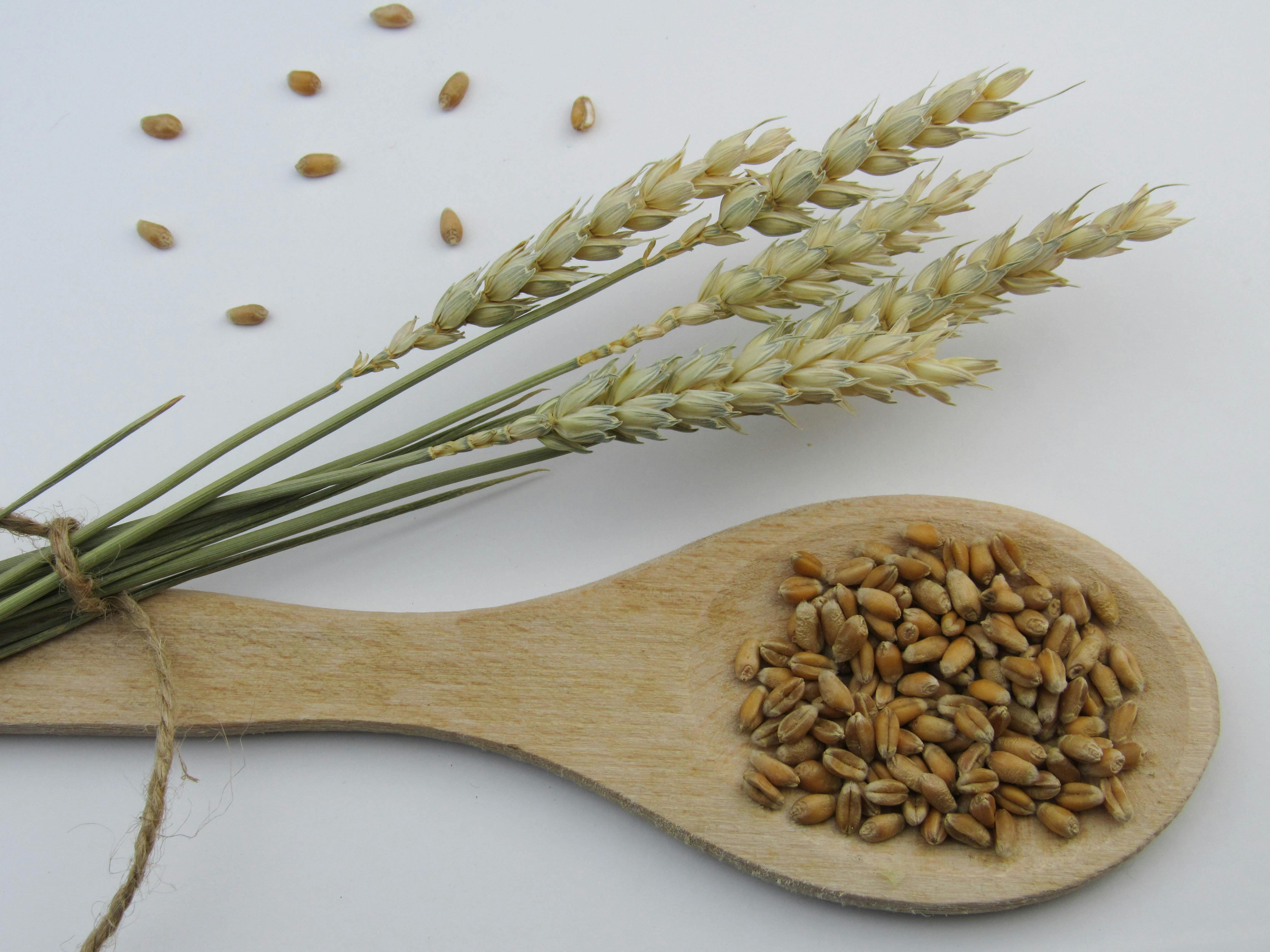
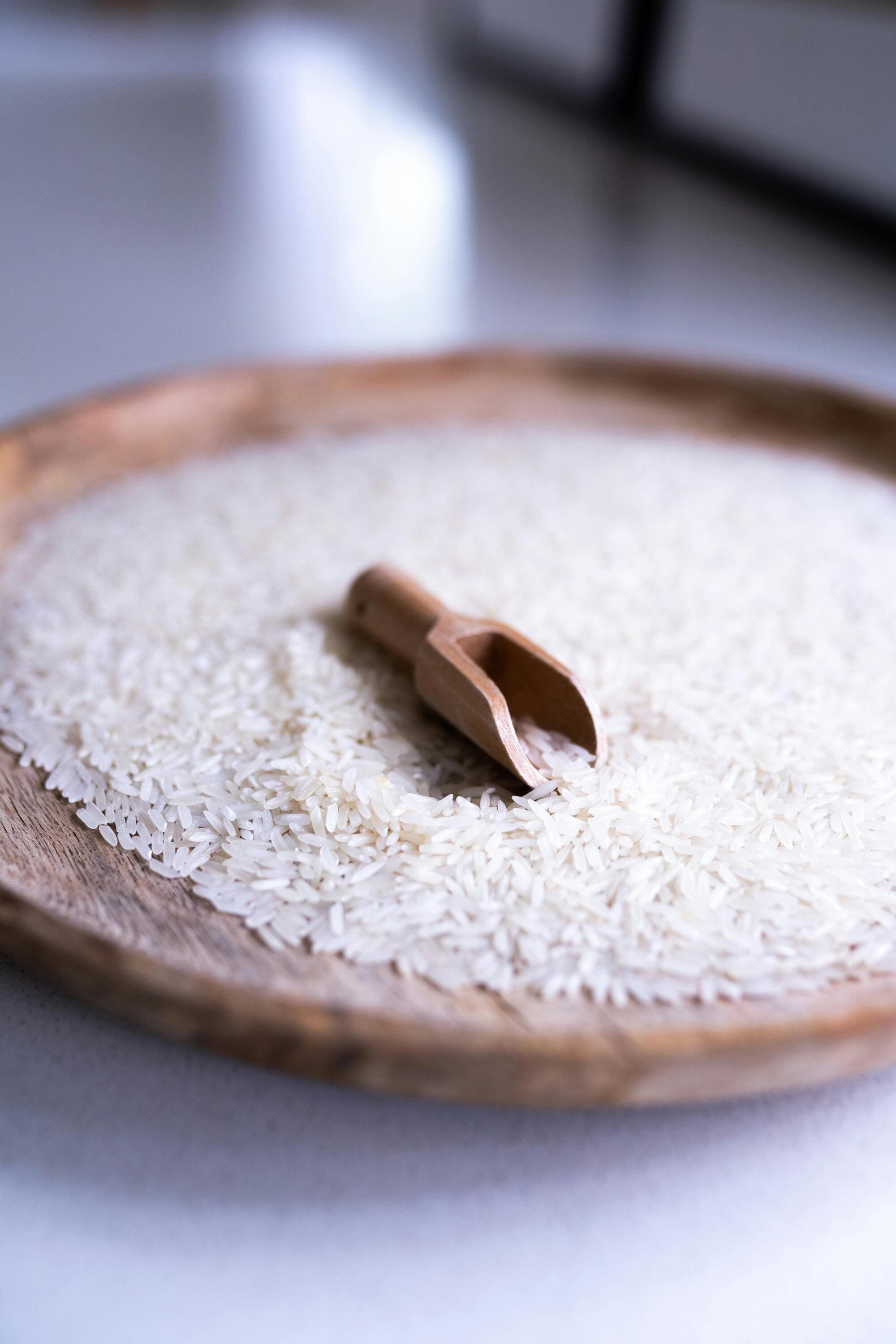
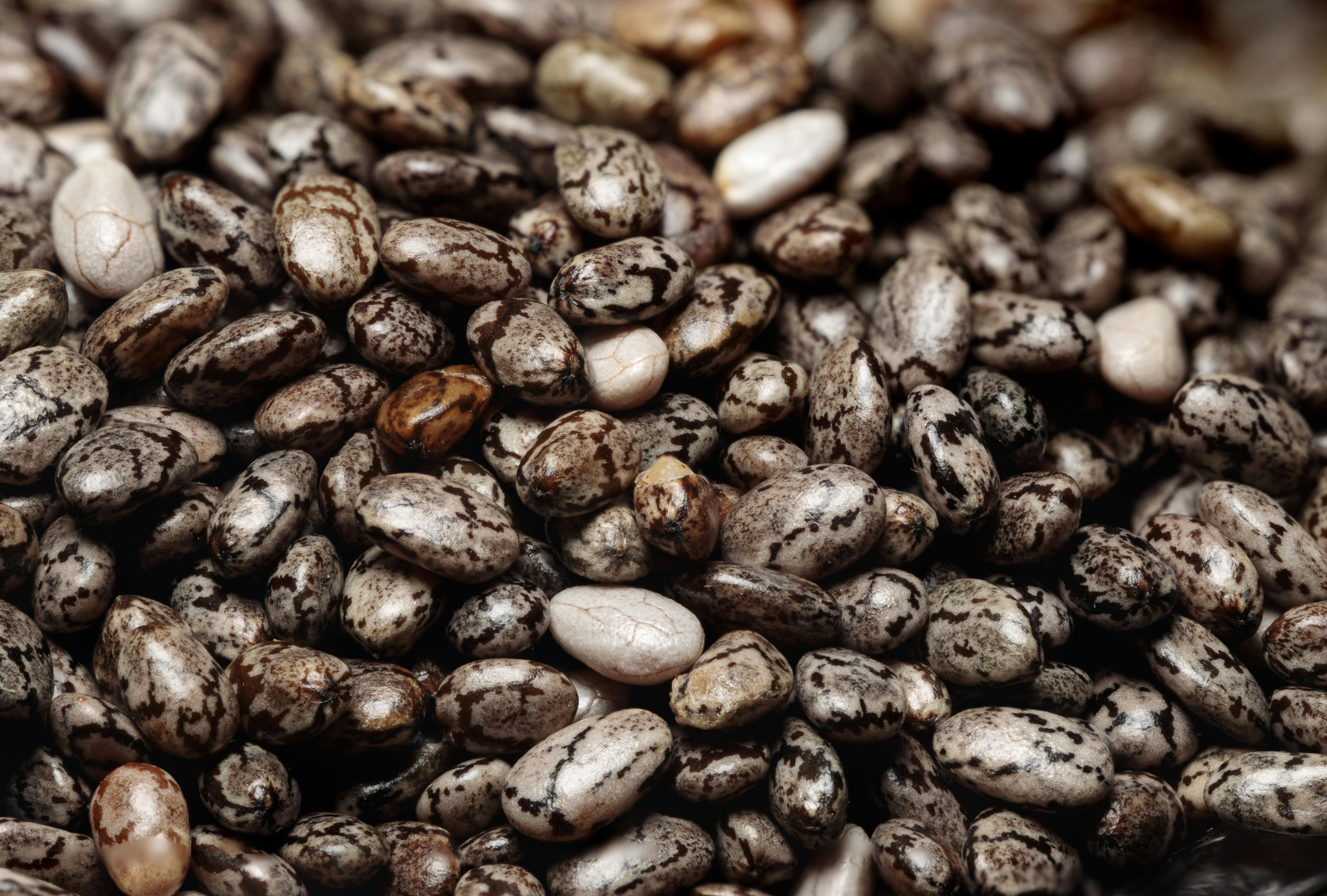
FOB or CIF pricing, full documentation, samples available.
Request Quote → 💬 WhatsApp +91-9066444896Export Ready