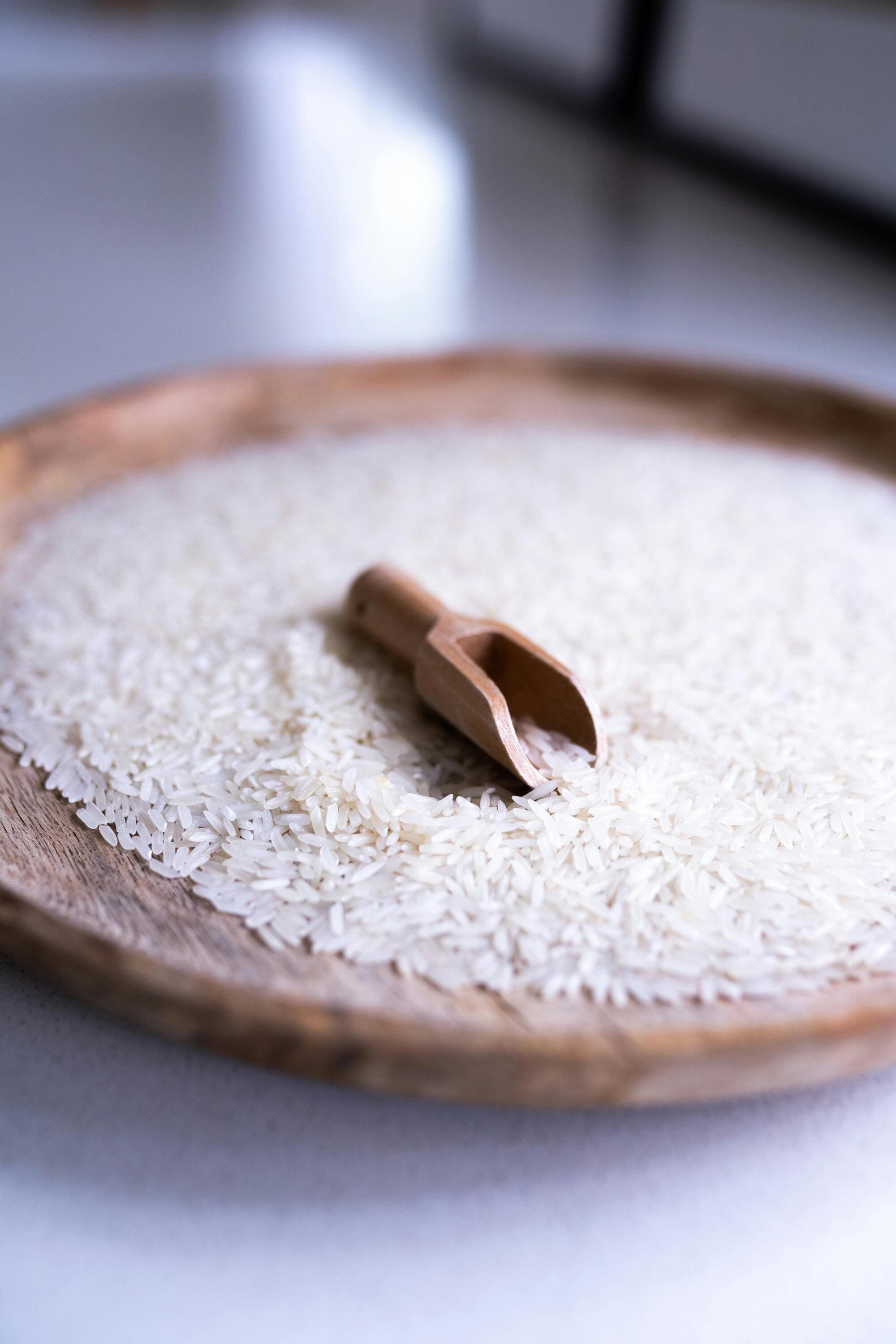
1509 vs 1121 — Which Should You Buy
Both are basmati. The difference is grain length, cooking time and price. Buyers who need the visual premium take 1121; buyers optimising cost per serving usually take 1509.
If your customer is buying on plate presentation, specify 1121. If they are buying on cost per serving with genuine basmati aroma, 1509 is usually the better commercial fit.
Raw, Steam or Sella — Which to Order
The same paddy produces three different products depending on processing. This affects cooking behaviour, yield and price more than grade does.
Typical Specifications
On specifications: the figures above reflect standard industry specifications for this product. Your actual batch values are confirmed on a NABL-accredited Certificate of Analysis issued against your specific lot — provided with every shipment, and with sample orders before you commit to bulk. We do not ask buyers to take a specification on trust.
Documentation — Handled End to End
Basmati carries a GI registration and APEDA registration is mandatory for export. We prepare the full package and hand over originals within 24 hours of the Bill of Lading date.
HS Code 1006.30. DNA varietal purity testing available on request. Halal and Organic available on request.
How Ordering Works
MOQ is discussed at order stage. Packing from 1kg retail to 50kg bulk. Payment by advance TT, LC at sight, or DP/DA case by case.
Buyer Questions
How does Pusa 1509 compare to Basmati 1121?
Both are genuine basmati with pronounced aroma. 1509 has an average grain length of 7.60mm and above against 8.30mm and above for 1121, and it cooks faster. The practical difference is commercial: 1509 delivers basmati character at a lower cost per serving, which is why it dominates food service and volume retail, while 1121 commands a premium where plate presentation matters.
What is the difference between raw, steam and sella?
Raw or white rice is milled and polished only. Steam rice is steam treated before milling, which firms the grain and reduces breakage in transit and cooking. Golden sella is parboiled, giving the highest cooking yield and a non-sticky grain with a golden tint. White sella is parboiled then whitened for a non-sticky grain with white appearance.
What broken percentage should I accept?
Standard commercial tolerance for 1509 is 2 to 5 percent broken grains depending on grade and processing. Sortex-cleaned lots can be held to 1 percent. Broken percentage directly affects both appearance and cooked texture, so agree the figure in the contract rather than leaving it to grade description alone.
What HS code applies to basmati rice?
Basmati rice is exported from India under HS Code 1006.30, covering semi-milled or wholly milled rice. Basmati is a GI registered product and APEDA registration is mandatory for exporters. We declare the correct code on all shipping documents.
Is DNA varietal testing available?
Yes, on request. It confirms varietal authenticity and admixture percentage, and is sometimes required by buyers in regulated markets or where a contract specifies a tighter admixture tolerance than the standard 5 percent maximum.
Can I get a sample with a COA before bulk?
Yes. Sample orders carry the same NABL-accredited Certificate of Analysis standard as bulk shipments, so you can verify grain length, moisture, broken percentage and pesticide results before committing.
Source Basmati Rice Pusa 1509 Export from India from India
FOB or CIF quote within 24 hours. Full documentation, third-party inspection available.
Related Products
FOB or CIF pricing, full documentation, samples available.
Request Quote → 💬 WhatsApp +91-9066444896Export Ready