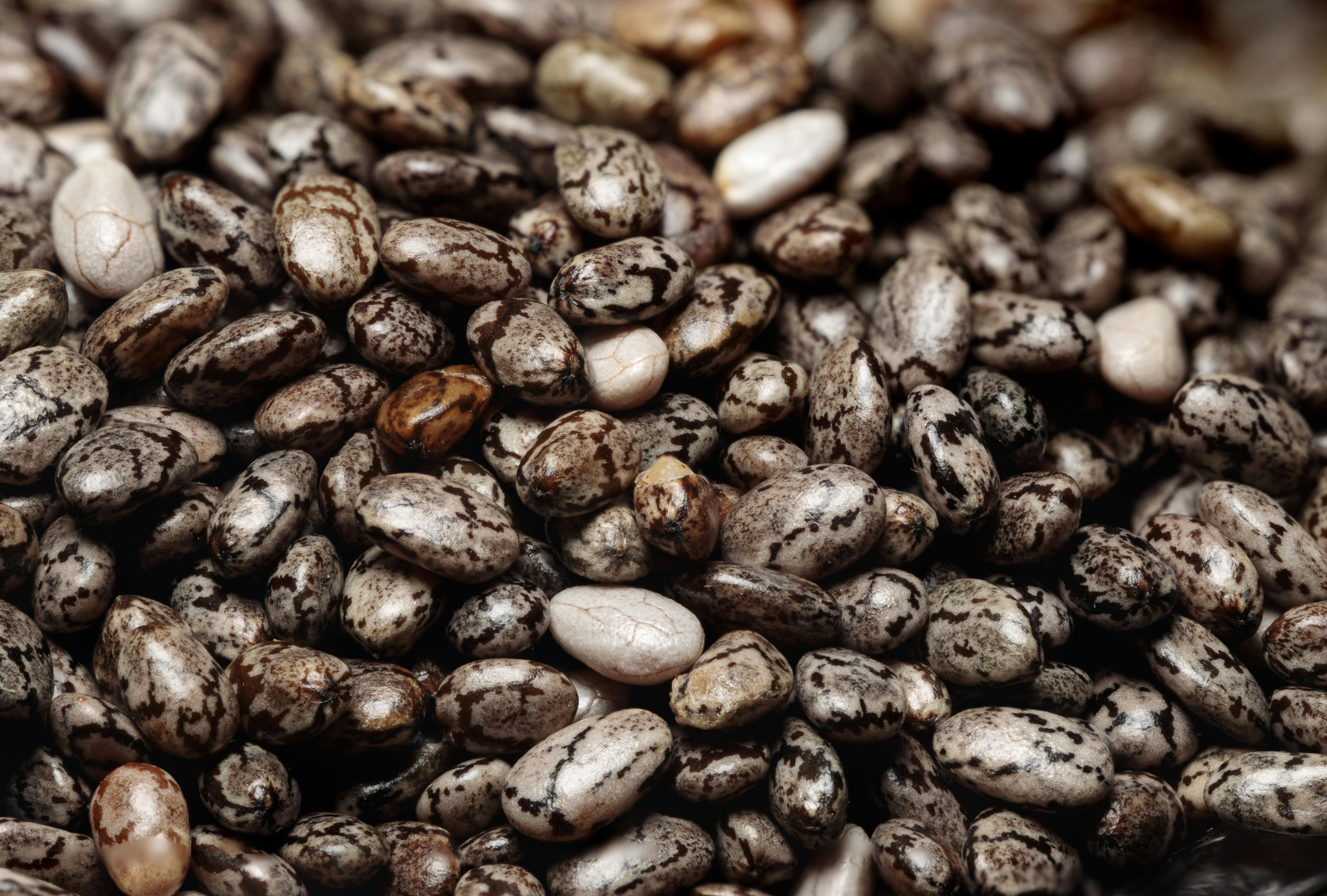
Oil Content Is the Whole Commercial Basis
Castor is an industrial oilseed, not a food product. Buyers are almost always crushers, and the entire price calculation rests on oil content and free fatty acid. Everything else is secondary.
If you are crushing, negotiate on oil content and FFA together. A lot with 50% oil and 4% FFA can be worth less than one with 47% oil and 1% FFA once refining loss is accounted for.
Ricin — What Buyers Need to Know
Castor seed naturally contains ricin, which is why it is handled as an industrial commodity with specific transport and processing requirements. It is not a food or feed ingredient, and it must never be traded as one.
Some destination countries require an end-use declaration for castor seed imports. Confirm your local requirement at enquiry stage so documentation is prepared correctly.
Typical Specifications
On specifications: the figures above reflect standard industry specifications for this product. Your actual batch values are confirmed on a NABL-accredited Certificate of Analysis issued against your specific lot — provided with every shipment, and with sample orders before you commit to bulk. We do not ask buyers to take a specification on trust.
Documentation — Handled End to End
Castor is an industrial commodity and some destinations require additional declarations. We prepare the full document set and hand over originals within 24 hours of the Bill of Lading date.
HS Code 1207.30. Third-party inspection by SGS or Bureau Veritas available on request.
How Ordering Works
MOQ is discussed at order stage. Pricing normally on an oil content basis with adjustment clauses. Payment by advance TT, LC at sight, or DP/DA case by case.
Buyer Questions
What oil content should I expect from castor seed?
Typically 46 to 50 percent. This is the primary commercial parameter, since it directly determines crushing yield. Contracts are normally written on an oil content basis with an adjustment clause, so agree both the target figure and the adjustment mechanism before shipment.
Why does free fatty acid matter as much as oil content?
FFA determines refining loss and cost. A lot with 50 percent oil and 4 percent FFA can be commercially worth less than one with 47 percent oil and 1 percent FFA once refining loss is accounted for. Always negotiate oil content and FFA together rather than treating oil content alone as the price driver.
Is castor seed safe to handle?
Castor seed naturally contains ricin, which is why it is traded strictly as an industrial commodity and never as a food or feed ingredient. Ricin is destroyed during oil processing and meal detoxification, and refined castor oil is ricin-free and used widely in industrial applications. Standard industrial oilseed handling protocols apply.
What HS code applies to castor seeds?
Castor oil seeds are exported from India under HS Code 1207.30. Some destination countries additionally require an end-use declaration for castor seed imports, so confirm your local requirement at enquiry stage.
Is Indian castor seed non-GMO?
Yes. Non-GMO status is standard for Indian castor seed and a declaration is provided with every shipment. If your market requires third-party verification rather than a supplier declaration, that can be arranged through SGS or Bureau Veritas on request.
Can I get a sample with a COA before bulk?
Yes. Sample orders carry the same NABL-accredited Certificate of Analysis standard as bulk shipments, covering oil content, FFA and moisture, so you can verify crushing economics before committing.
Source Castor Seeds Export from India from India
FOB or CIF quote within 24 hours. Full documentation, third-party inspection available.
Related Products

FOB or CIF pricing, full documentation, samples available.
Request Quote → 💬 WhatsApp +91-9066444896Export Ready