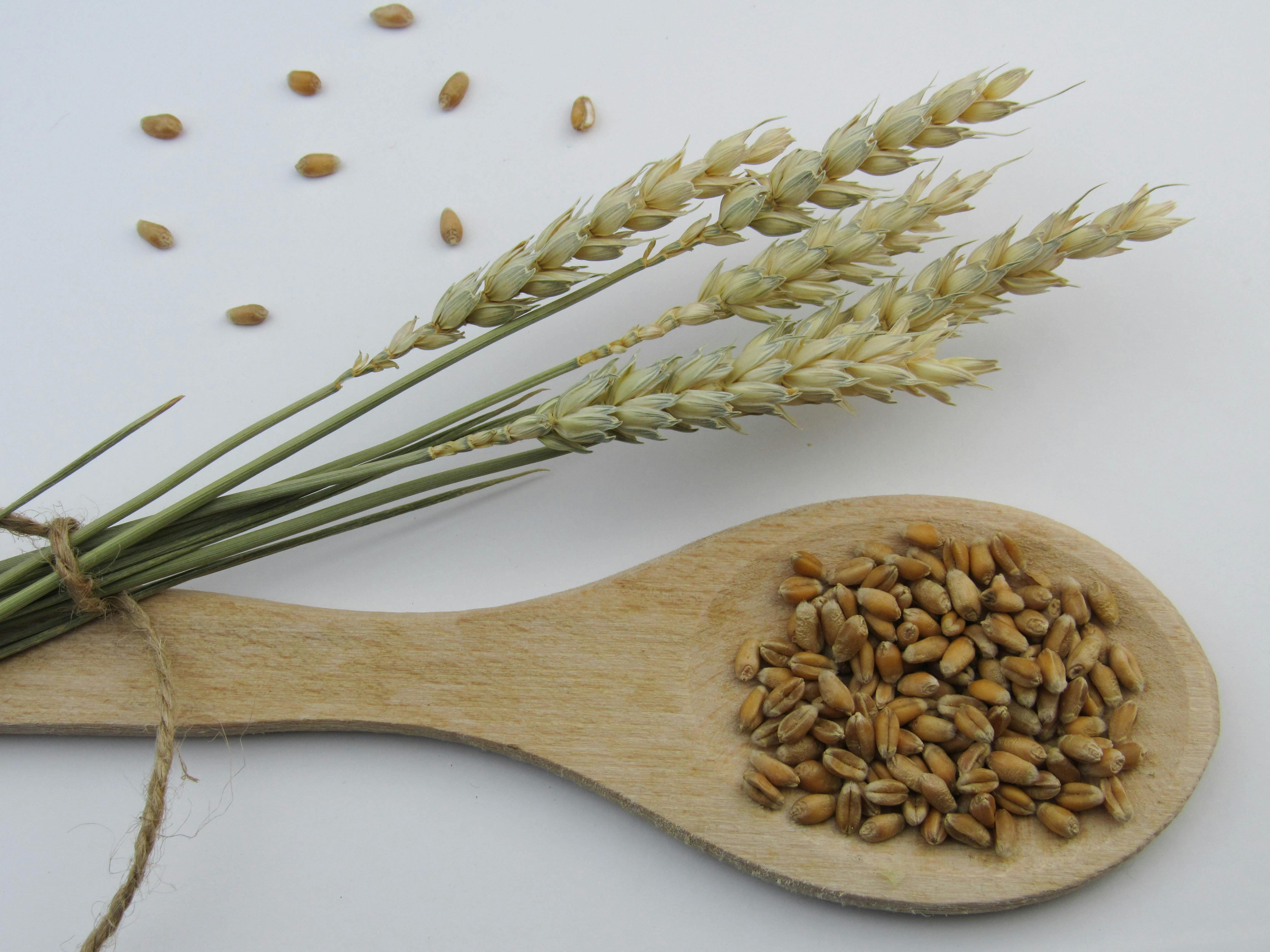
Milling Wheat or Durum — Not Interchangeable
Wheat trades in distinct classes and buying the wrong one is a costly error. Milling wheat makes bread and chapati flour; durum makes semolina and pasta. They mill differently and cannot substitute for each other.
Protein content is the primary commercial parameter for milling wheat, since it determines gluten strength and therefore what the flour can produce. State a minimum protein figure on the contract, not just "milling grade".
Typical Specifications
Test weight (hectolitre weight) is the second key parameter after protein — it indicates grain density and predicts flour extraction rate.
On specifications: the figures above reflect standard industry specifications for this product. Your actual batch values are confirmed on a NABL-accredited Certificate of Analysis issued against your specific lot — provided with every shipment, and with sample orders before you commit to bulk. We do not ask buyers to take a specification on trust.
Transit Risk — Moisture and Infestation
Bulk grain is vulnerable to heating and infestation on long routes. Moisture at loading is the single biggest predictor of arrival condition.
For long routes or humid transhipment, specify a tighter moisture limit than the standard maximum. It costs more at origin and saves far more on arrival.
Documentation — Handled End to End
We prepare the full document set and hand over originals within 24 hours of the Bill of Lading date.
HS Code 1001.99. Third-party inspection by SGS or Bureau Veritas available on request.
How Ordering Works
MOQ is discussed at order stage. Pricing normally on a protein basis with adjustment clauses. Payment by advance TT, LC at sight, or DP/DA case by case.
Buyer Questions
What is the difference between milling wheat and durum?
Milling wheat produces flour for bread, chapati and biscuits, with protein typically 10 to 12 percent. Durum is a harder, higher-protein wheat milled into semolina for pasta and couscous. They behave completely differently in milling and cannot substitute for each other, so specify the class explicitly on the contract.
What protein level should I specify for wheat?
Protein determines gluten strength and therefore what the flour can produce. Milling grade typically runs 11 to 12 percent, with hard milling wheat above 12 percent for bread applications. State a minimum protein figure on the contract rather than relying on the term "milling grade" alone, and agree the adjustment mechanism if pricing is protein-linked.
What is test weight and why does it matter?
Test weight, or hectolitre weight, measures grain density in kilograms per hectolitre and predicts flour extraction rate. A minimum of 76 to 78 kg per hectolitre is standard for milling wheat. Lower test weight means less flour per tonne milled, so it is a direct commercial parameter alongside protein.
What moisture level should wheat be shipped at?
Maximum 12 to 14 percent as standard. Moisture at loading is the single biggest predictor of arrival condition, since bulk grain heats and attracts infestation when shipped wet. For long routes or humid transhipment ports, specify a tighter limit than the maximum, since it costs less at origin than a damaged arrival costs at destination.
What HS code applies to wheat?
Common wheat is exported under HS Code 1001.99. Durum wheat falls under HS Code 1001.19. We confirm the applicable code at order stage based on the class ordered and declare it on all shipping documents.
Can I get a sample with a COA before bulk?
Yes. Sample orders carry the same NABL-accredited Certificate of Analysis standard as bulk shipments, so you can verify protein, test weight, moisture and pesticide results against your milling requirements before committing.
Source Wheat Export from India from India
FOB or CIF quote within 24 hours. Full documentation, third-party inspection available.
Related Products
FOB or CIF pricing, full documentation, samples available.
Request Quote → 💬 WhatsApp +91-9066444896Export Ready