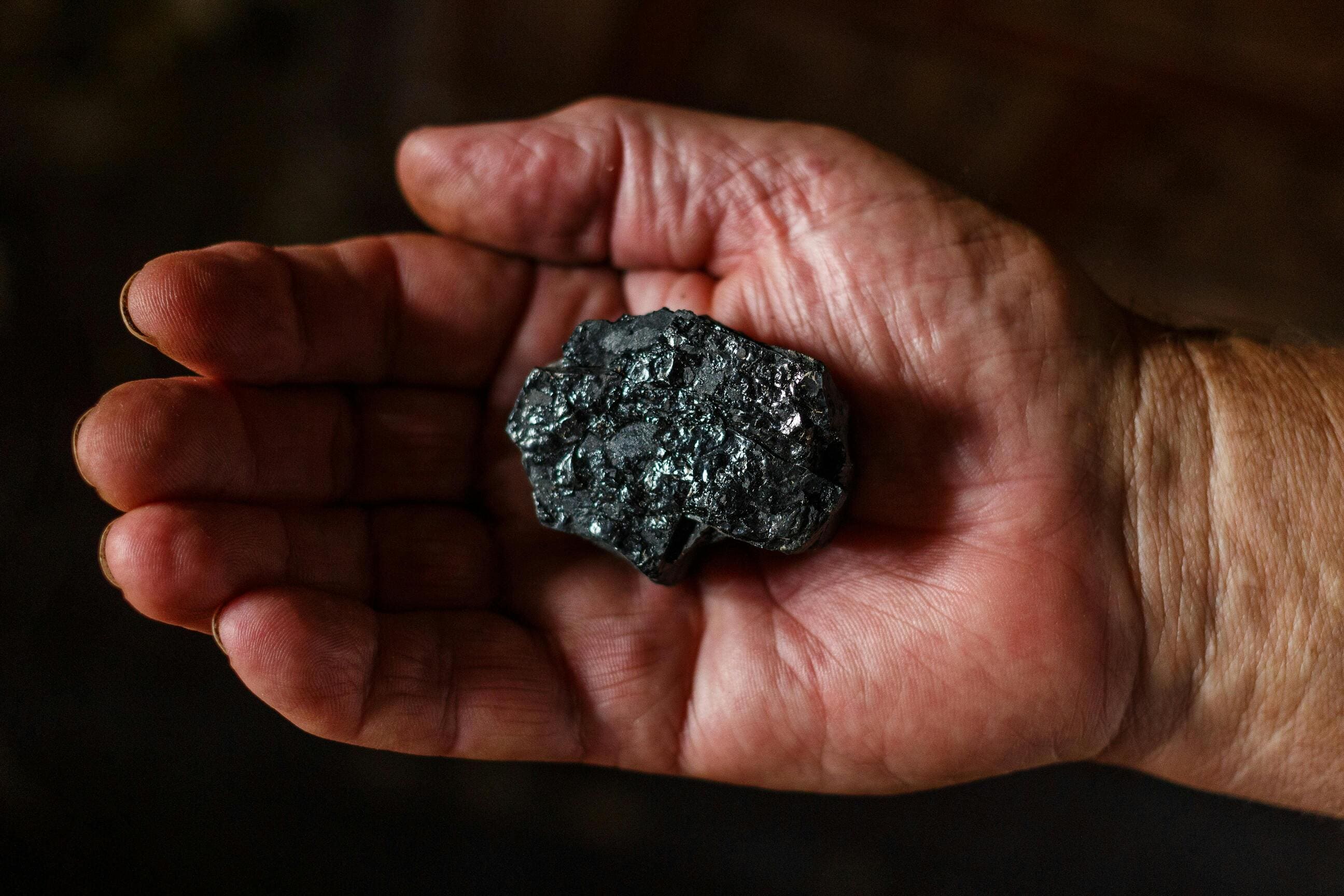
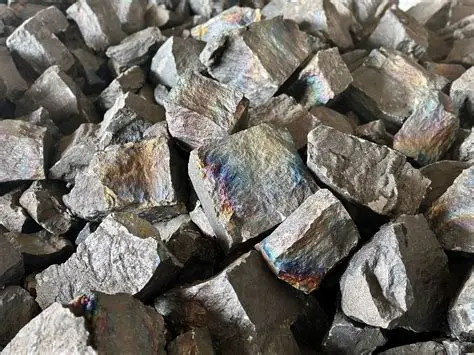
Medium carbon ferro manganese at 75–85% manganese and 1–2% carbon, sized 10–80mm for direct furnace charging. For low and medium carbon steel grades where carbon pickup must be controlled.
Medium carbon ferro manganese costs more than high carbon. The premium buys you one thing: carbon control. If your steel grade does not need it, you are paying for nothing. If it does, HC is not an option at any price.
The real calculation is not the price per tonne of alloy. It is whether using HC forces you into decarburisation downstream — because that usually costs more than the grade premium you avoided.
Size affects furnace behaviour and recovery. Undersize blows out of the charge as dust; oversize dissolves slowly and skews recovery calculations.
State a maximum permissible fines percentage in the contract. Screen analysis at load port by SGS or Bureau Veritas is how a fines dispute is prevented rather than argued after arrival.
On specifications: the figures above reflect standard industry specifications for this product. Your actual batch values are confirmed on the Mill Test Certificate or Certificate of Analysis issued against your specific lot — provided with every shipment, and with sample orders before you commit to bulk. We do not ask buyers to take a specification on trust.
Ferro alloys are bulk commodities where independent load-port verification is standard practice, not an optional extra.
HS Code 7202.19 (FeMn, carbon 2% or less). Packing in 1 MT jumbo bags or bulk as ordered.
MOQ is discussed at order stage. Pricing normally on a manganese content basis with adjustment clauses. Payment by advance TT, LC at sight, or DP/DA case by case.
When your steel grade cannot tolerate the carbon pickup from high carbon FeMn, which runs 6 to 8 percent against 1 to 2 percent for medium carbon. The calculation is not just the price per tonne of alloy: using HC in a low-carbon grade forces decarburisation downstream, and that usually costs more than the MC premium you avoided.
Typically 75 to 85 percent, which is higher than high carbon FeMn at 74 to 78 percent. The refining process that removes carbon also concentrates manganese, so you get both lower carbon and higher manganese for the premium paid.
Standard MC FeMn holds phosphorus to a maximum of 0.30 percent and sulphur to 0.03 percent. Both are tramp elements that carry into your steel, and phosphorus causes cold shortness. If your grade has tight residual limits, specify tighter maxima at enquiry stage rather than accepting the standard figures.
Size affects furnace behaviour and recovery. Undersize generates dust and blows out of the charge; oversize dissolves slowly and skews recovery. The commercial default is 10 to 80mm. Always state a maximum permissible fines percentage below 10mm, since uncontrolled fines mean paying lump price for material you cannot charge.
Ferro manganese containing 2 percent or less carbon is exported under HS Code 7202.19. High carbon grades above 2 percent carbon fall under 7202.11. We declare the correct code based on the grade ordered.
Normally on a manganese content basis with adjustment clauses rather than a flat rate per tonne. Agree the base manganese percentage, the carbon maximum, the adjustment mechanism and the maximum fines before the order is confirmed.
Technical drawings welcome. FOB or CIF pricing within 24 hours. Third-party inspection available.
Technical drawings welcome. FOB or CIF pricing, samples available.
Request Quote → 💬 WhatsApp +91-9066444896