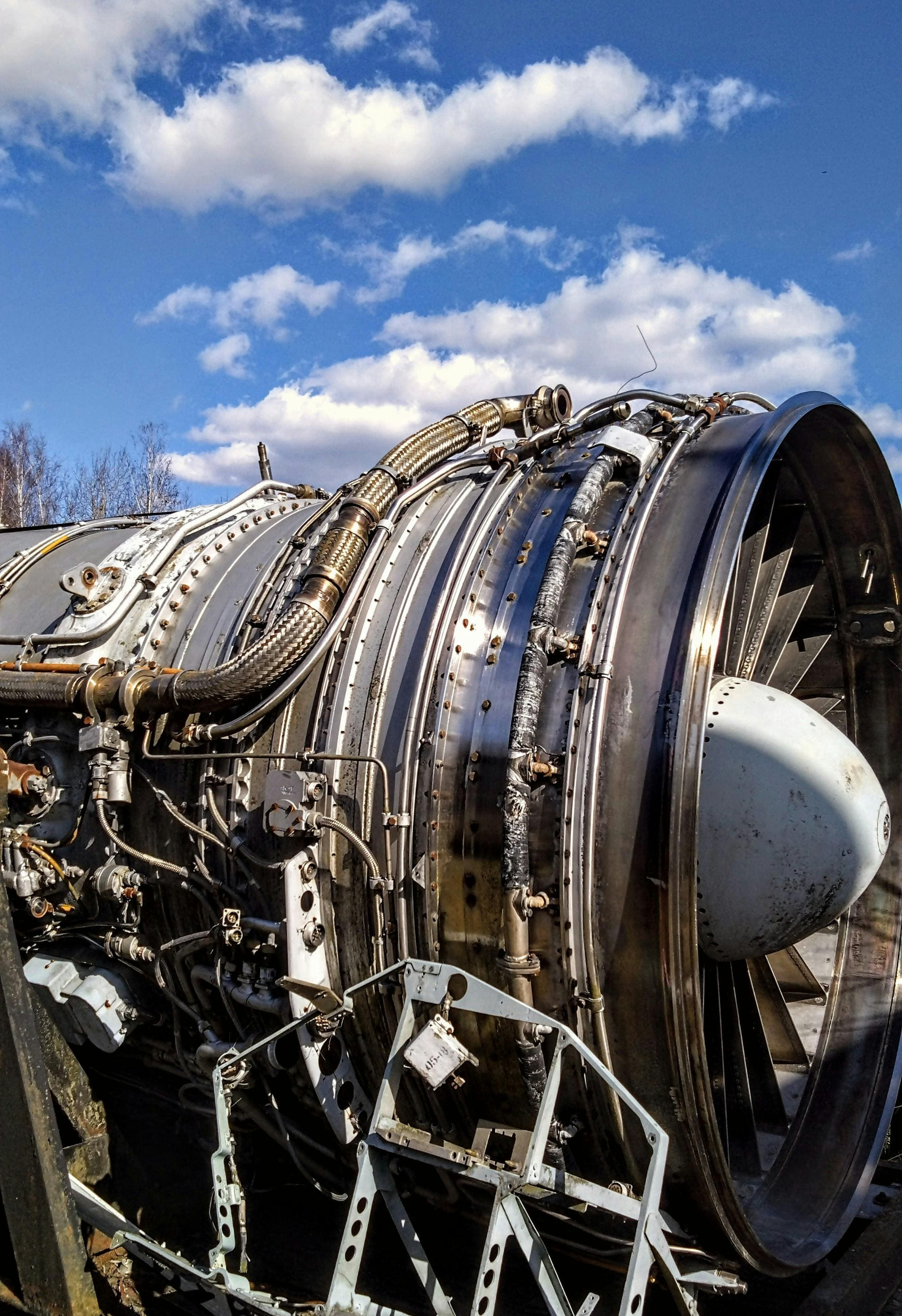
Sand, shell, investment and die castings alongside open and closed die forgings, in iron, steel, stainless and aluminium. Finish machined to drawing on request, with NDT and material test certificates on every lot.
Casting pours molten metal into a shape; forging presses solid metal into one. Forging aligns the grain flow with the part, which gives it better fatigue and impact strength. Casting gives far more freedom of shape. Most buyers should decide on load before they decide on price.
Rotating, load-bearing or safety-critical parts are usually forged. Complex housings and bodies are usually cast. When a part could go either way, the volume and the tooling cost usually decide it.
Tolerance grades follow ISO 8062. Tighter-tolerance processes cost more in tooling but reduce the machining needed afterwards, so compare total cost to finished part rather than casting price alone.
On specifications: the capabilities above reflect standard specifications for this process. Achievable tolerances and finishes for your part depend on geometry, material and quantity, and are confirmed at quotation after drawing review. Every first article ships with a full dimensional inspection report against your drawing, plus Material Test Certificates for the raw material. We do not ask buyers to take a capability claim on trust.
Castings and forgings are verified for internal soundness as well as dimensions.
HS Code 7325 (cast iron/steel articles) · 7326 (forged articles) · 7616 (aluminium castings). Confirmed at order stage.
MOQ is discussed at order stage based on part complexity and material. Payment by advance TT, LC at sight, or DP/DA case by case.
Decide by what the part must survive. Forging aligns grain flow with the part shape, giving better fatigue and impact strength, so rotating, load-bearing and safety-critical parts are usually forged. Casting allows far more complex shapes including internal cavities, so housings, pump bodies and valve bodies are usually cast.
It depends on size, volume and accuracy. Sand casting suits large, low-volume parts with low tooling cost. Investment casting gives near-net-shape precision for complex parts. Pressure die casting is for high-volume aluminium and zinc parts. Compare total cost to the finished part, since tighter processes reduce later machining.
Casting tolerances follow ISO 8062 grades. Sand casting typically achieves CT 11 to 13, investment casting CT 5 to 7, and pressure die casting CT 4 to 6. Critical features are normally finish machined to drawing tolerance after casting.
By non-destructive testing matched to the defect risk. Radiography and ultrasonic testing find internal porosity and inclusions; magnetic particle and dye penetrant testing find surface cracks. Specify the NDT method and acceptance level at enquiry stage, since it affects both cost and lead time.
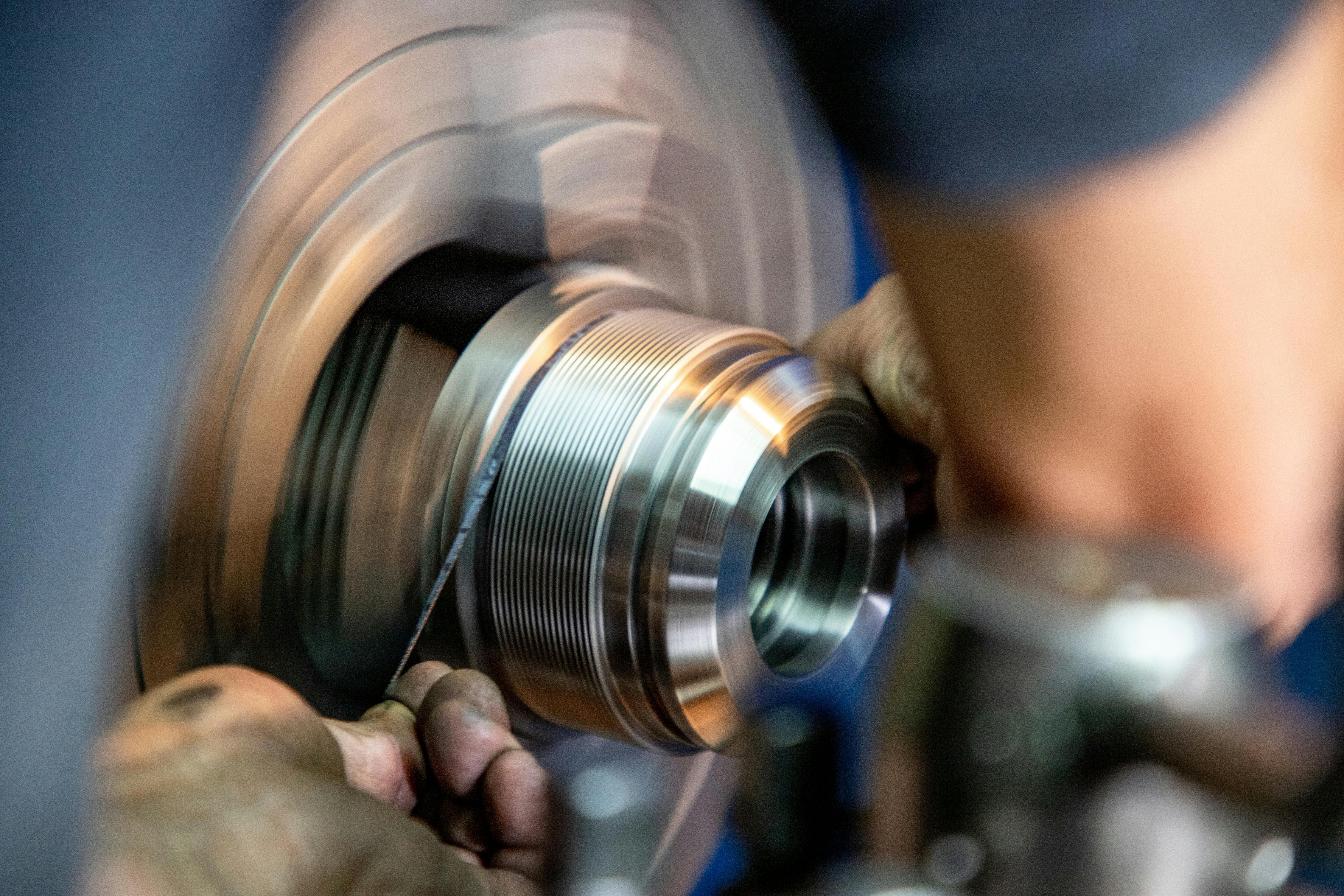
Yes, finish machining to your drawing is available, so parts arrive ready to assemble. Supplying raw castings or forgings is also possible if you machine in house. Specify which at quotation, as it changes both price and inspection scope.
Cast articles of iron or steel generally fall under HS Code 7325, forged articles under 7326, and aluminium castings under 7616. Parts forming components of specific machinery may fall under application codes. The correct code is confirmed at order stage.
Technical drawings welcome. FOB or CIF pricing within 24 hours. Third-party inspection available.
Technical drawings welcome. FOB or CIF pricing, samples available.
Request Quote → 💬 WhatsApp +91-9066444896