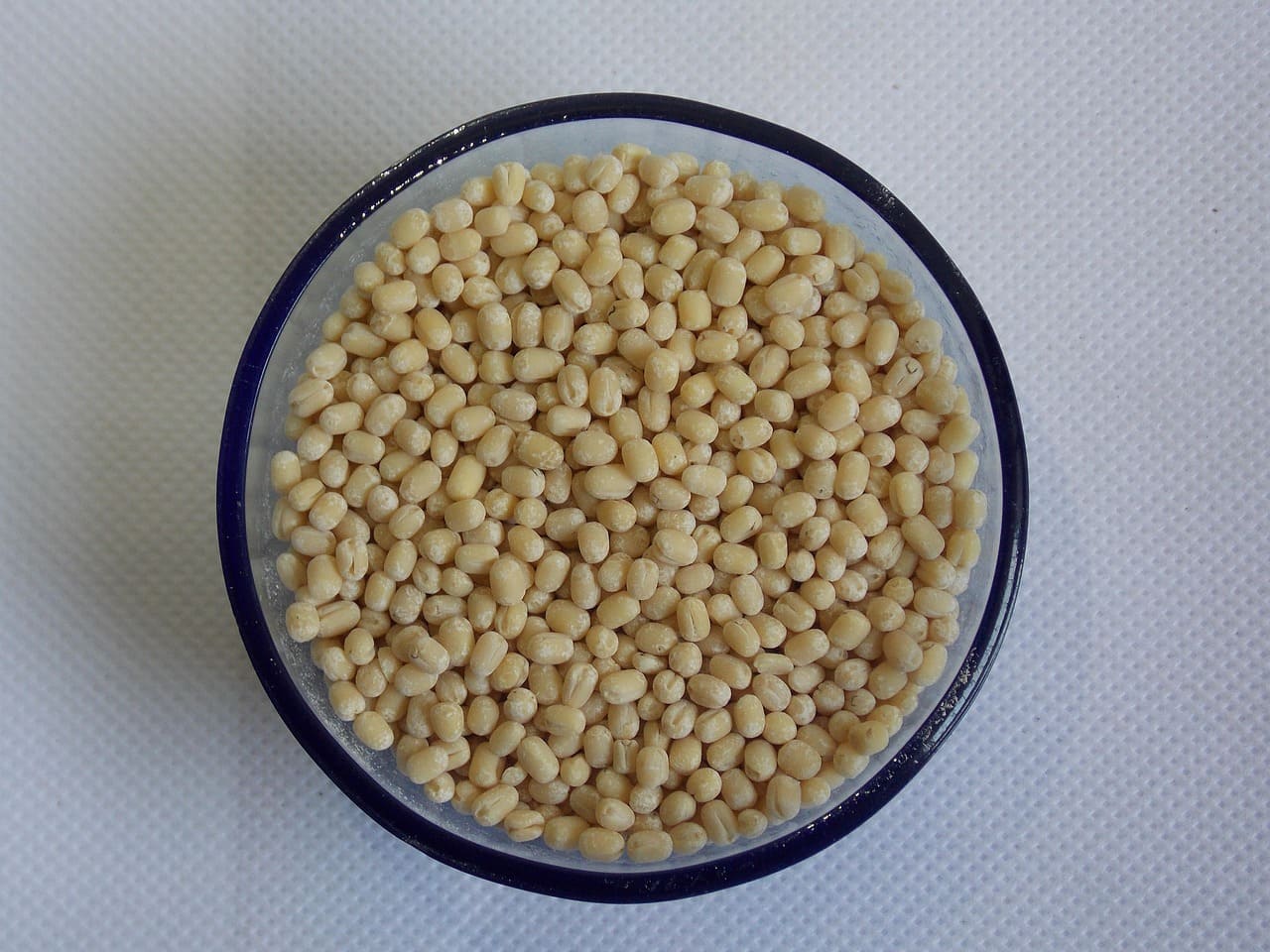
Four Forms — And Why the Choice Is Functional
Urad is unusual among pulses: the form you choose determines whether the batter ferments and how much it aerates. For idli, dosa and vada producers this is a processing decision, not a preference.
For fermented batter applications, split-without-skin white urad is the standard. The husk interferes with batter colour and aeration, which is why dehusked material is specified almost universally in that trade.
Buying for Idli and Dosa Batter?
Urad destined for fermented batter is bought on functional performance, not just cleanliness. Two lots with identical purity figures can behave very differently in the fermentation tank.
Tell us the end use is fermented batter at enquiry stage. It changes which lot is selected and rules out heat treatment as a pest-control option.
Typical Specifications
On specifications: the figures above reflect standard industry specifications for this product. Your actual batch values are confirmed on a NABL-accredited Certificate of Analysis issued against your specific lot — provided with every shipment, and with sample orders before you commit to bulk. We do not ask buyers to take a specification on trust.
Documentation — Handled End to End
Pulses are highly vulnerable to transit infestation. A fumigation certificate is issued before container stuffing on every shipment, alongside the full document set handed over within 24 hours of the Bill of Lading date.
HS Code 0713.31. Halal and Organic available on request. Third-party inspection by SGS or BV available.
How Ordering Works
MOQ is discussed at order stage. Packing from 1kg retail to 50kg bulk. Payment by advance TT, LC at sight, or DP/DA case by case.
Buyer Questions
Which form of urad dal do I need for idli and dosa batter?
Split without skin, the creamy white dehusked form, is the standard for fermented batter. The husk interferes with both batter colour and aeration, which is why dehusked material is specified almost universally in that trade. Washed or polished white gives the whitest finished product where appearance is a selling point.
What affects urad performance in fermented batter?
Freshness of crop is the biggest factor, as older stock ferments poorly and aerates less. Whiteness affects finished batter colour, broken grain releases starch and alters viscosity, and heat treatment for pest control damages fermentation performance entirely. Tell us the end use at enquiry stage so the right lot is selected.
What is the difference between whole black and split white urad?
Whole black urad, called sabut, retains the black skin and is used for dal makhani and whole-bean preparations. Split without skin is dehusked to a creamy white and used for fermented batter and standard dal. Chilka is split with the black skin retained, giving a firmer texture in traditional dal.
Why is fumigation so important for pulses?
Pulses are highly vulnerable to storage pest damage in transit, and a lot that passes at load port can arrive weevilled if fumigation or packing were inadequate. This is the most common cause of quality disputes in pulse trade. We issue a fumigation certificate before container stuffing on every shipment.
What HS code applies to urad dal?
Urad, also called black gram, is exported from India under HS Code 0713.31, covering dried beans of the Vigna mungo species whether or not shelled or split. We declare the correct code on all shipping documents.
Can I get a sample with a COA before bulk?
Yes. Sample orders carry the same NABL-accredited Certificate of Analysis standard as bulk shipments, so you can verify purity, whiteness, moisture and pesticide results against your own requirements before committing.
Source Urad Dal (Black Gram) Export from India from India
FOB or CIF quote within 24 hours. Full documentation, third-party inspection available.
Related Products
FOB or CIF pricing, full documentation, samples available.
Request Quote → 💬 WhatsApp +91-9066444896Export Ready