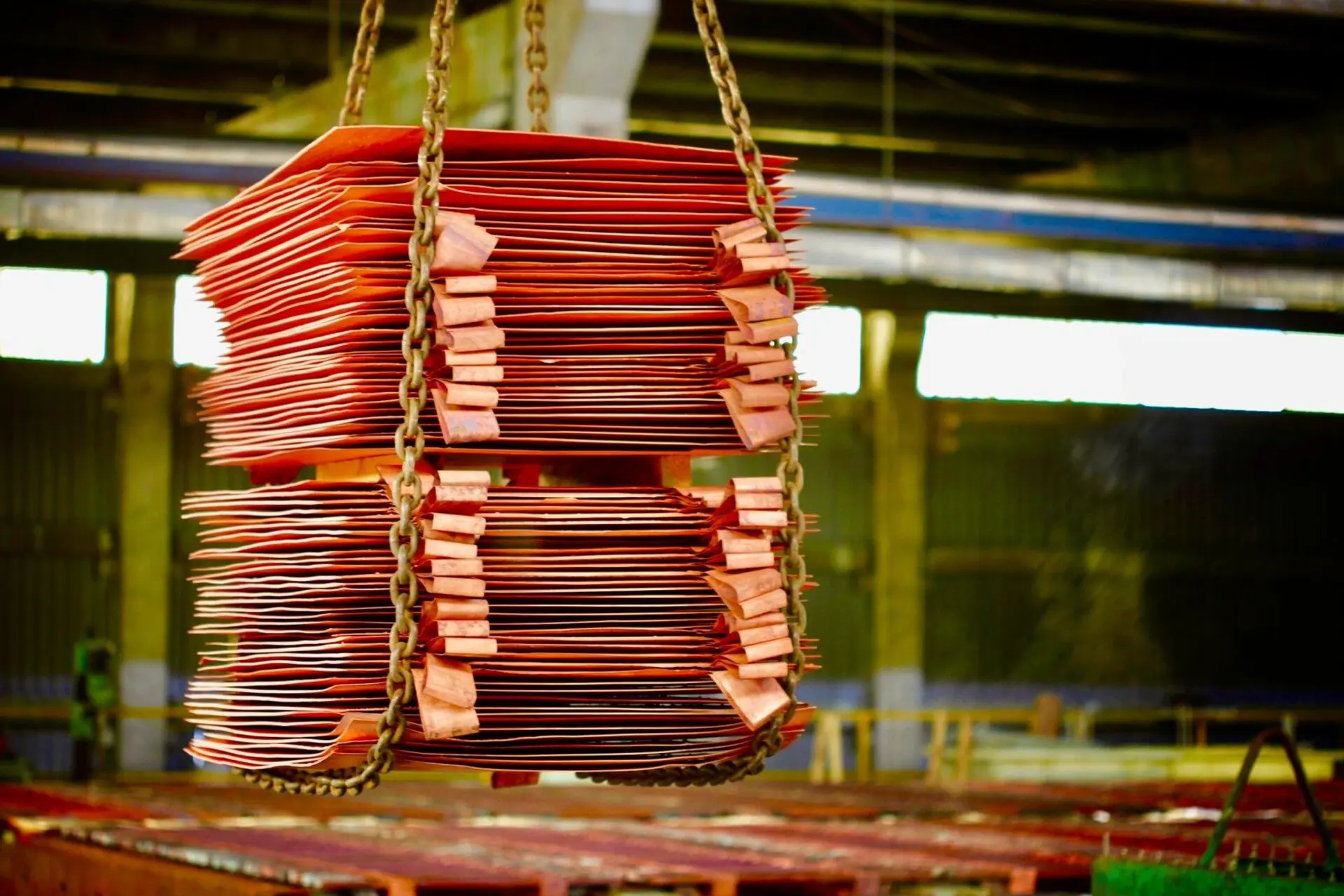
Lead ingots in refined grades from 99.97% and remelted secondary. Full ICP assay including antimony, copper and tin on every Mill Test Certificate, with GHS-compliant Safety Data Sheet supplied as standard.
Lead is supplied as primary refined or as remelted secondary. Both have legitimate uses, but they are not interchangeable and the price difference reflects real chemistry.
For battery manufacture and radiation shielding, specify refined lead with a full assay. Remelted lead carries variable antimony, tin and copper from its scrap feedstock, and that variability is exactly what battery grid casting cannot tolerate.
Lead is toxic and heavily regulated. Import requirements vary substantially by market, and getting this wrong stops the cargo at the border rather than at the buyer.
Confirm your destination requirements before ordering. Secondary and scrap-derived lead in particular attracts scrutiny under Basel Convention rules on transboundary movement of hazardous materials.
On specifications: the figures above reflect standard industry specifications for this product. Your actual batch values are confirmed on the Mill Test Certificate or Certificate of Analysis issued against your specific lot — provided with every shipment, and with sample orders before you commit to bulk. We do not ask buyers to take a specification on trust.
Lead carries regulatory documentation requirements beyond the normal commercial set. These are prepared as standard rather than on request.
HS Code 7801.10 (refined lead) · 7801.99 (other unwrought lead). GHS hazard labelling on all packaging.
MOQ is discussed at order stage. Pricing on LME plus premium with quotational period agreed in writing. Payment by advance TT, LC at sight, or DP/DA case by case.
Refined lead is primary or fully refined material at 99.97 percent purity or above with a controlled impurity assay. Remelted lead is secondary material recovered from scrap, typically 98 to 99.9 percent, carrying variable antimony, tin and copper from its feedstock. For battery manufacture and radiation shielding, that variability is unacceptable and refined lead is required.
Refined lead with a full assay, typically 99.97 percent minimum and often 99.99 percent. Battery grid casting is sensitive to antimony, copper and tin content, and remelted lead carries these in variable quantities depending on its scrap feedstock. Ask for the complete ICP analysis, not a purity figure alone.
A Safety Data Sheet is required in most markets and is supplied as standard, with GHS hazard labelling on all packaging. EU importers carry REACH registration obligations. Lead is restricted under RoHS in electrical equipment, though exemptions apply to specific uses. Secondary and scrap-derived lead attracts additional scrutiny under Basel Convention rules.
Refined lead is exported under HS Code 7801.10. Other unwrought lead, including remelted and alloyed grades, falls under 7801.99. We declare the correct code based on the grade ordered and the end-use declaration provided.
On LME cash settlement plus a premium, with the premium reflecting grade, destination and quantity. Agree the quotational period in writing before the order is confirmed, since the averaging window can move landed cost more than the premium itself.
Standard refined lead holds bismuth to a maximum of 0.025 percent, which is higher than the limits on antimony, copper and tin because bismuth is less harmful in most applications. If your process is bismuth sensitive, specify a tighter maximum at enquiry stage, as low-bismuth lead has to be selected at source.
Technical drawings welcome. FOB or CIF pricing within 24 hours. Third-party inspection available.
Technical drawings welcome. FOB or CIF pricing, samples available.
Request Quote → 💬 WhatsApp +91-9066444896